
Medication Management App Development: Features, Benefits, Cost & Types
16 Views 9 min March 19, 2026

Why the global taxi and ride-hailing market is racing toward $250B+ by 2028
How do taxi apps make money, beyond just ride commissions
Proven taxi booking app monetization strategies used by global leaders
Revenue streams that work for both global platforms and niche/local players
Essential features like dynamic pricing, analytics, and automation that directly impact bookings, retention, and profitability
How to build a scalable, profitable taxi booking app with the right strategy
Why execution and tech decisions decide long-term success, not just the idea
Local and niche taxi apps still have massive room to win in underserved markets
Taxi apps scale faster when monetization is built into the product from day one
The biggest risk in this market isn’t competition, it’s entering too late
Getting a cab used to mean waving one down or calling a dispatcher. Now, with a few taps on your phone, a ride shows up in minutes. The global ride-hailing and taxi app market has exploded in the last few years. Experts predict it will reach $250 billion by 2028, driven by growing urban populations, smartphone penetration, and the rise of eco-friendly mobility solutions.
This kind of growth isn’t luck. It’s the result of smart business models and scalable technology.
From Uber and Lyft to Careem and Ola, these apps have been turning convenience into profit. But how do taxi apps make money, and what business models keep them growing year after year? The answer lies in understanding the taxi app business model, the different taxi booking app monetization strategies, and the factors that drive taxi app development cost.
That’s what we’ll unpack in this blog—so you walk away with a clear picture of what it takes to build a taxi booking app and how to turn it into a profitable business.
No one’s going back to waving at cabs on the roadside. The revenue model of taxi apps is just too efficient, both for users and for operators. Convenience, transparency, and speed have turned ride-hailing into a daily habit for millions.
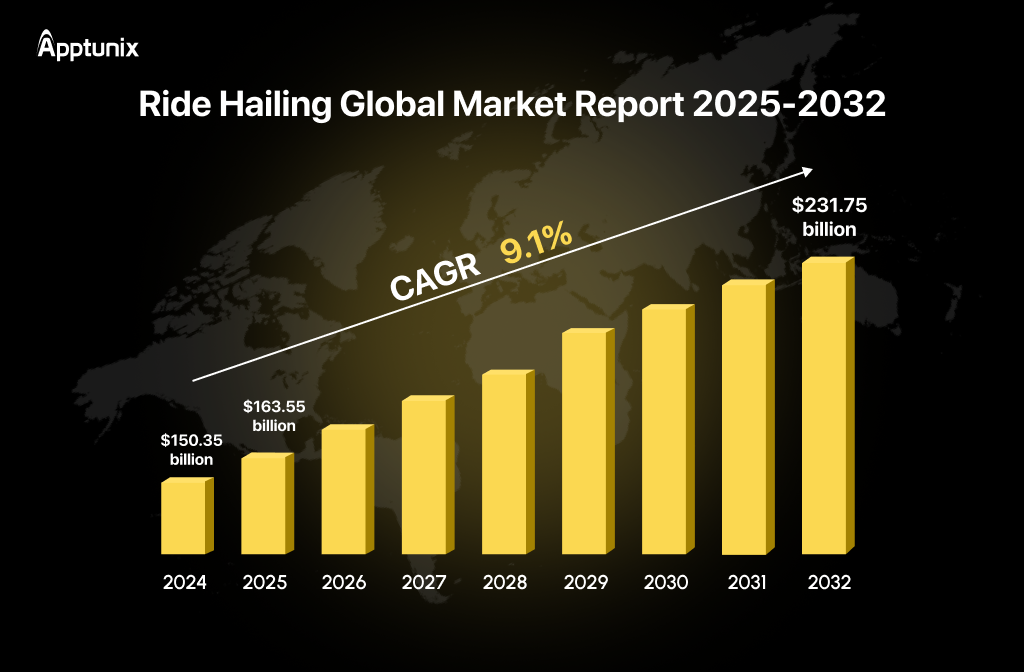
For entrepreneurs, this means the timing is still strong. While giants like Uber and Lyft dominate global markets, there’s massive room in local and niche markets—airport transfers, corporate fleets, electric taxis, or even women-only ride services. With the right strategy, you can carve out a profitable space.
The taxi booking app development model works across different geographies and niches, from mega-apps like Uber to specialized services like Bolt Europe. The question is- how much do you want your share to be?
The market is moving fast. The only wrong move is waiting too long to enter!

At first glance, the taxi app business model looks simple: connect riders with drivers, process payments, and take a commission. But behind that simplicity lies one of the most profitable structures in the on-demand economy. That’s why companies like Uber, Lyft, and Didi aren’t just transport apps—they’re billion-dollar ecosystems.
Here’s the scale we’re talking about. Statista projects the global ride-hailing and taxi market to hit $390 billion by 2027, with nearly 20% of the world’s population booking rides on their phones. That’s a huge audience and a massive opportunity for anyone exploring the revenue model for taxi business.
The core stream is commissions—platforms typically keep 15–30% of every ride. But that’s just the start. Apps add surge pricing during peak demand, offer driver subscription models for guaranteed income, run in-app ads, and form partnerships for fuel, insurance, or maintenance deals. These taxi booking app monetization strategies create multiple revenue layers without owning fleets of vehicles.
For startups and growing businesses, the takeaway is clear: if you want to build a taxi booking app like Uber, the foundation has already been validated globally. The real opportunity lies in customizing the revenue model of taxi apps to your geography, customer base, and growth plans. With the right features, optimized operations, and the best monetization strategies for taxi apps, your platform can carve out a strong presence even in competitive markets.
The big question every founder asks is this: how do taxi apps make money after launch? The truth is, the strongest platforms don’t rely on a single stream of income. They layer multiple revenue models, turning every rider, driver, and partnership into an opportunity. Here’s a breakdown of the best monetization strategies for taxi apps that keep businesses profitable and scalable.
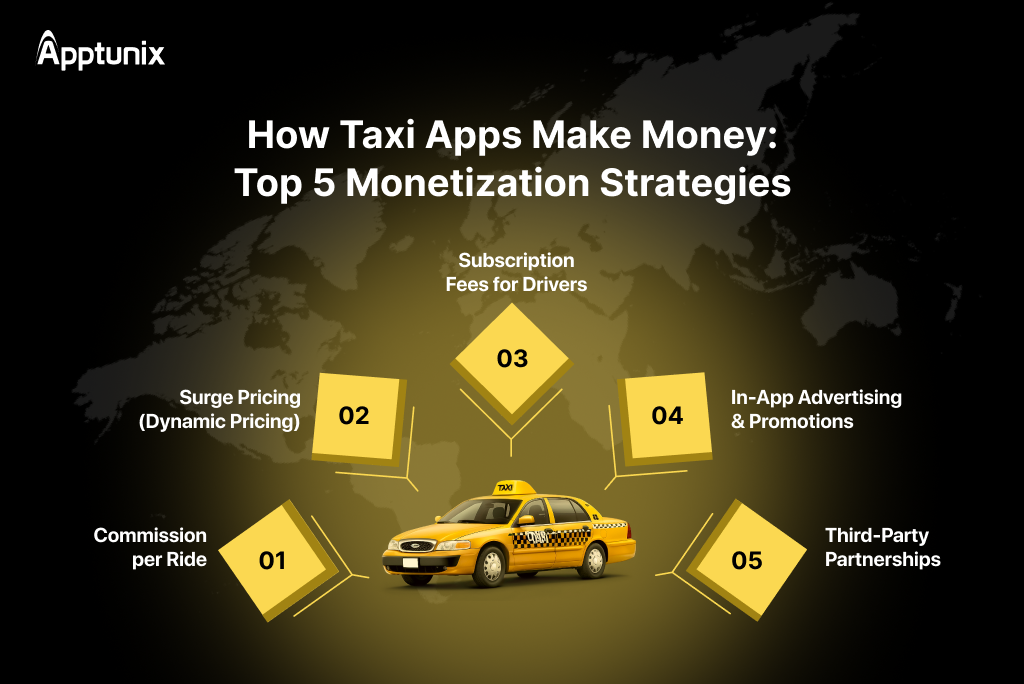
1. Commission per RideAt the core of the taxi app business model is commission. Apps typically take 15–30% of every ride completed on the platform. It’s simple, reliable, and highly scalable—the more bookings you generate, the stronger your revenue stream becomes.
2. Surge Pricing (Dynamic Pricing)This is where the on-demand ride hailing app revenue model shines. During peak hours, bad weather, or traffic surges, prices adjust dynamically. Riders pay more for priority, drivers earn more, and the platform maximizes revenue while keeping supply balanced with demand.
3. Subscription Fees for DriversMany platforms now offer drivers the option to pay a flat subscription—weekly or monthly—for unlimited rides instead of per-ride commissions. This creates recurring income for the app while giving drivers predictable costs, making it one of the smarter taxi booking app monetization strategies.
4. In-App Advertising & PromotionsOnce you’ve built a loyal user base, advertisers line up to reach them. Sponsored listings, in-app banners, or promotional offers generate additional revenue without disrupting the rider’s journey. This channel is especially powerful for local businesses looking for targeted reach.
5. Third-Party PartnershipsPartnerships with fuel providers, insurance companies, or car service shops create new ways to monetize. Drivers benefit from discounts, while the platform earns referral commissions. These partnerships not only strengthen revenue but also improve driver retention.
If you’re exploring how do taxi apps make money, it’s important to understand the diverse income streams that power a taxi app business model. Beyond just ride commissions, modern platforms leverage multiple strategies to maximize profits and scale. Here are the most effective taxi booking app monetization strategies you can adopt when you build a taxi booking app like Uber:
A. Revenue from IndividualsThe most common stream is charging riders for every completed trip. Each booking contributes to steady revenue, forming the backbone of the on-demand taxi app revenue model.
B. Revenue from ServicesSome apps expand into on-demand taxi booking services like luxury rides, airport transfers, or intercity travel. These premium services often generate higher margins per ride.
C. Revenue from Corporate BookingEnterprises and corporate fleets book rides in bulk for employees. This B2B channel ensures recurring revenue and long-term contracts, making it an essential part of a sustainable revenue model for the taxi business.
D. Commission from Credit Card PaymentsApps can charge small transaction fees when riders pay through credit or debit cards. With digital payments becoming the norm, this is a steady income stream.
E. Commission for Outstation BookingsLong-distance or outstation trips typically bring in higher fares, and apps can charge a bigger commission percentage from these rides.
F. Commission for Rentals & LeasingSome platforms lease vehicles to drivers who don’t own cars. Rental fees and lease agreements open an additional revenue channel while ensuring more drivers join the platform.
G. Dynamic Pricing ModelSurge or dynamic pricing adjusts fares based on demand and supply. Uber reported that surge pricing alone increased their per-ride revenue by nearly 20% during peak hours.
H. Pay Per Hour ModelInstead of charging per kilometer, some apps allow hourly bookings for local sightseeing or multi-stop rides. This revenue model for taxi business is especially popular in cities with heavy traffic.
I. Alternative RidesEvolving beyond taxis, some apps integrate bikes, scooters, and EVs. This multi-modal transport not only increases customer reach but also diversifies income.
J. Ride SharingCarpooling and ride-sharing models lower costs for riders while increasing overall trip volume for the platform. This model boosts revenue while promoting sustainability.
Note: The revenue model of taxi apps is no longer limited to one source. By combining rider payments, corporate contracts, dynamic pricing, and add-on services, you can build a profitable, scalable platform. With custom software development services, your business can tap into these revenue streams.
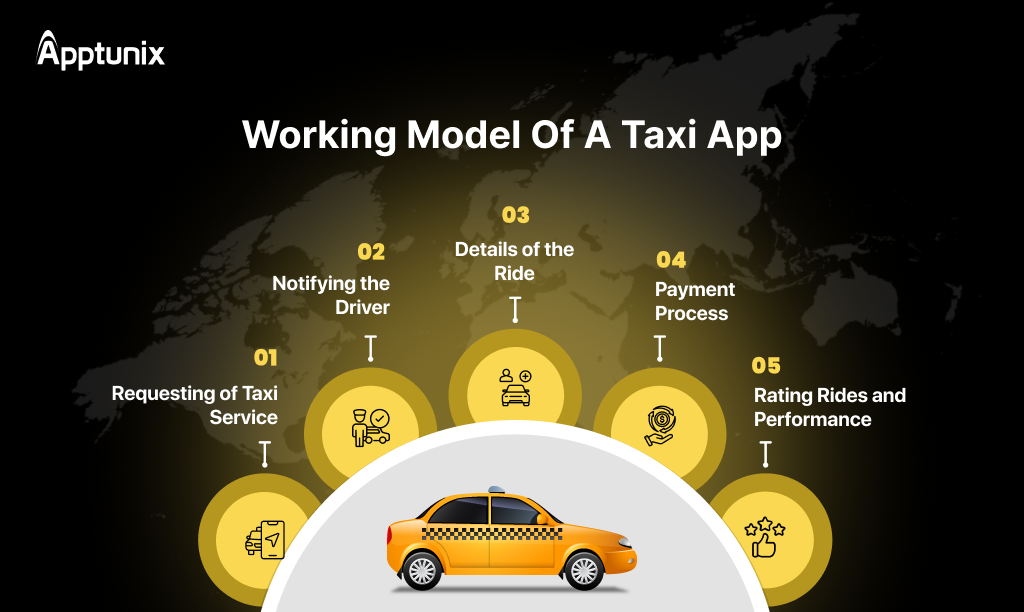
When people ask how taxi apps make money, the answer often lies in the features that drive engagement. A smart taxi app business model doesn’t just connect riders and drivers—it builds multiple monetization opportunities into the user experience. That’s why knowing the top 7 features to include in taxi app development is critical if you want your platform to scale.
Here’s the thing: success in ride-hailing isn’t just about writing code. It’s about building platforms that scale, monetize, and adapt to fast-changing markets. That’s exactly what we do at Apptunix.
Apptunix isn’t new to this game.
As a seasoned taxi app development company, we’ve built over 2,500+ apps worldwide, many in transportation and mobility. We know what it takes to design platforms that riders trust and drivers rely on. From Uber clone app development to fully customized taxi booking app development services , our portfolio spans rider, driver, and admin apps. We deliver complete ecosystems that ensure smooth operations, scalable architecture, and long-term profitability.
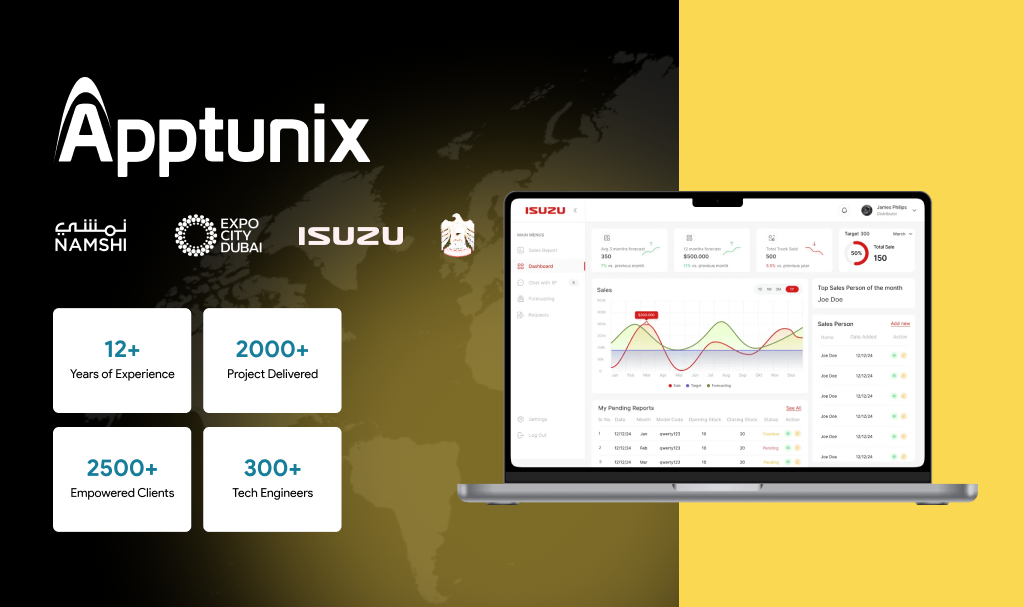
Our portfolio includes everything from Uber clone app development to fully tailored builds. We design rider, driver, and admin apps that maximize engagement and revenue. When you hire taxi app developers from Apptunix, you’re working with a team that sees the bigger picture. We align every feature, design choice, and integration with your taxi app business model so you get both short-term traction and long-term ROI.
Our solutions go beyond the basics. We integrate AI for analytics, GPS for precision navigation, and smart pricing models to maximize revenue. The goal is to make it outperform competitors.
At the end of the day, how do taxi apps make money? They succeed by pairing a proven taxi app revenue model with the right monetization strategies and technology. From commissions and surge pricing to subscription models and partnerships, there are countless ways to turn a taxi app business model into a profitable venture. If you’re ready to create your own ride-hailing platform or Uber clone app development services, we’re here to make it happen.
The real differentiator is execution—and that’s where Apptunix comes in.
We’ve already built high-performing apps for global brands across industries. We know what works, what scales, and how to keep costs aligned with business outcomes. Book a free consultation with Apptunix today and see how the right taxi booking app development company can turn your idea into a profitable platform.
Q 1.How do taxi apps make money?
Taxi apps generate revenue through various channels, including commission per ride, surge pricing, subscription fees for drivers, in-app advertising, and third-party partnerships. The revenue model of taxi apps is designed to scale with user demand, making it one of the most profitable models in the on-demand economy.
Q 2.What is the revenue model of taxi apps?
The on-demand taxi app revenue model is built around connecting riders with drivers and earning a fee on each transaction. Beyond ride commissions, apps also generate income from surge pricing, driver subscriptions, and additional services like insurance or maintenance tie-ups.
Q 3.How much does taxi app development cost?
Taxi app development cost depends on factors like features, design, platform choice, integrations, and developer expertise. A basic Uber clone app development project may start at $15,000–$40,000, while enterprise-level apps with AI, analytics, and custom features can exceed $100,000.
Q 4.What features should a taxi booking app include?
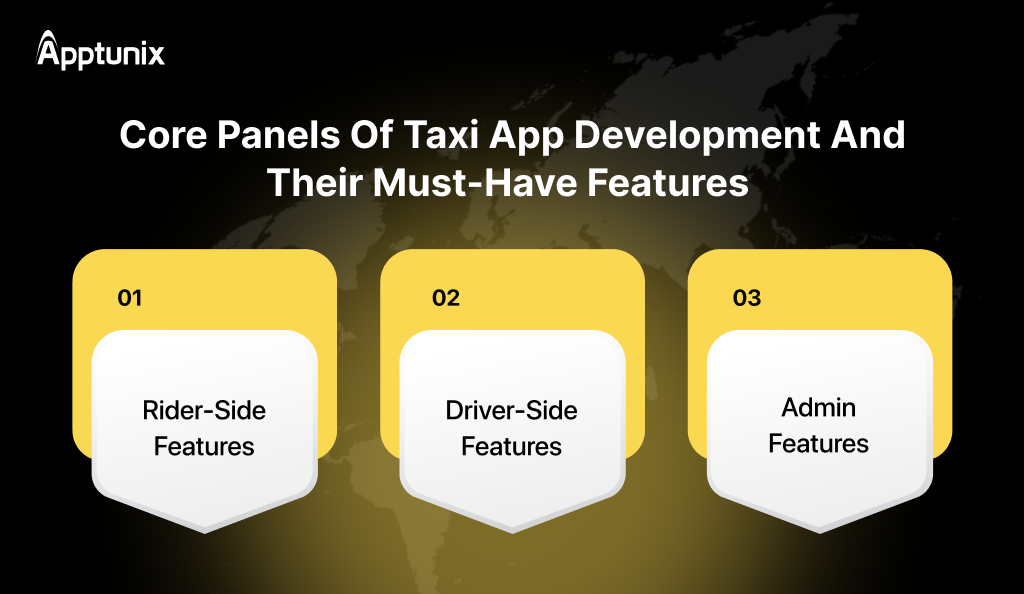
A strong taxi booking app business model includes rider features (real-time tracking, multiple payments, ride scheduling), driver features (earnings dashboard, navigation, instant payouts), and admin features (analytics, fraud detection, dynamic pricing).
Q 5.Is Uber clone app development a good option for startups?
Yes, Uber clone app development is ideal for startups that want to launch quickly, validate their idea, and reduce initial costs. Clone apps provide a proven framework that can be customized with branding, features, and local compliance.
Q 6.What are the best monetization strategies for taxi apps?
The best monetization strategies for taxi apps include commission per ride, surge pricing, driver subscriptions, in-app ads, and third-party partnerships. These models work together to ensure long-term profitability.
Q 7.Why should I hire a professional taxi app development company?
Hiring a professional taxi booking app development company ensures your app is scalable, secure, and designed with proven monetization strategies. Experienced developers know how to integrate advanced features like GPS tracking, AI pricing, and payment gateways for maximum ROI.
Q 8.How does Apptunix support custom on-demand taxi booking services?
At Apptunix, we build tailored taxi apps that match your business model, market, and monetization strategy. From rider and driver apps to AI-powered admin panels, our team delivers solutions designed for performance, scalability, and long-term growth.
Q 9.Has Apptunix built successful taxi apps before?
Yes, Apptunix has a strong track record of building successful on-demand mobility platforms for startups and enterprises. Our portfolio includes apps for ride-hailing, logistics, and transportation, helping brands expand locally and globally with reliable, revenue-driven solutions.
(1 ratings, average: 4.00 out of 5)
Get the weekly updates on the newest brand stories, business models and technology right in your inbox.
16 Views 9 min March 19, 2026

14 Views 9 min March 19, 2026

99 Views 9 min February 24, 2026
Book your free consultation with us.
Book your free consultation with us.

One Central, The offices 3, Level 3, DWTC, Sheikh Zayed Road, Dubai, United Arab Emirates
+971 50 782 1690