The CTO's Guide to Build vs Buy Internal Tools in 2026
230 Views 10 min May 18, 2026

Hardeep Singh is a seasoned B2B technical writer at Apptunix with a sharp eye for strategy and a mind wired for innovation. With over a decade of experience in technical and SEO writing, and a Master’s degree in Wireless Communication, he’s written across domains including AI, Blockchain, IoT, Cybersecurity, and beyond. At Apptunix, Hardeep drives content that bridges business goals with future-ready mobile and web solutions, thus helping startups and enterprises make smarter digital decisions.
According to Wamda, startup funding in the Middle East and North Africa (MENA) reached $2.1 billion during the first half of 2025, with 334 deals recorded across the region. Well, a massive 134% increase compared to the same period in 2024.
This surge highlights how startups in MENA are not only attracting global attention but also creating new pathways for investors, governments, and entrepreneurs. The growth proves that the region is no longer seen as an emerging player but as a thriving hub of innovation.
For any MENA startup, this momentum brings confidence but also creates a race to stand out in crowded markets. At the same time, it signals vast business opportunities in MENA across fintech, AI, healthtech, and other fast-growing sectors. The rise of top MENA startups is redefining the region’s identity, putting it firmly on the global startup map.
But momentum becomes meaningful only when paired with the right platforms. That’s where GITEX comes in. As one of the largest technology showcases worldwide, GITEX GLOBAL is where visionaries, innovators, and disruptors meet.
We at Apptunix experienced this firsthand at GITEX 2024 (Oct. 14 – 18). The event gave us invaluable exposure to MENA’s evolving startup ecosystem, helping us connect with founders, investors, and industry leaders.
Now, we are preparing for GITEX 2025 (Oct. 13 – 17), ready to bring sharper insights and stronger solutions to help businesses scale.
Even industry voices, such as Information Week, continue to highlight the importance of GITEX as a launchpad for technology companies aiming to make an impact regionally and globally.
Well, this blog offers a playbook designed for ambitious founders and teams looking to expand. If you are planning to build or scale a MENA startup, the insights ahead will guide you on what works, what doesn’t, and how to seize the best business opportunities in MENA.
As already discussed, the first half of 2025 saw $2.1 billion raised across 334 deals in the Middle East and North Africa. This momentum underlines how investors are increasingly betting on startups in MENA, viewing the region as a serious growth market.
Country-level contributions reveal an interesting picture. Saudi Arabia captured the lion’s share of funding, followed closely by the UAE, which remains a gateway for scaling ventures across borders. Egypt and Bahrain also recorded notable activity, reinforcing the diversity of opportunities.
Another trend is the changing mix of financing. Beyond equity rounds, more founders are now leveraging debt financing to fuel expansion, particularly in capital-intensive sectors such as fintech and logistics. Reports from Fintechnews Middle East and Arab News highlight how this blend is helping balance dilution concerns while enabling startups to scale faster.
So for any MENA startup, this signals an environment where smart capital structuring can unlock growth.
Sectoral patterns point to where the biggest business opportunities in MENA lie. Fintech continues to lead in both funding and deal count, thus reflecting the region’s push toward digital payments, neobanking, and financial inclusion.
AI-driven ventures are gaining speed, especially in healthcare and logistics, where data optimization is a priority. Web3 and blockchain projects are surfacing in Dubai and Riyadh, showing investor confidence in decentralized solutions. PropTech is thriving. Well, the credit goes to real estate innovation, while SaaS platforms are enabling SMEs to digitize operations cost-effectively.
The variety of growth sectors is proof that startups in MENA are diversifying beyond a single vertical. Entrepreneurs willing to innovate around AI, fintech, or SaaS will likely emerge as part of the top MENA startups in the coming years.
Despite the opportunities, scaling is rarely straightforward. Several friction points continue to test founders:
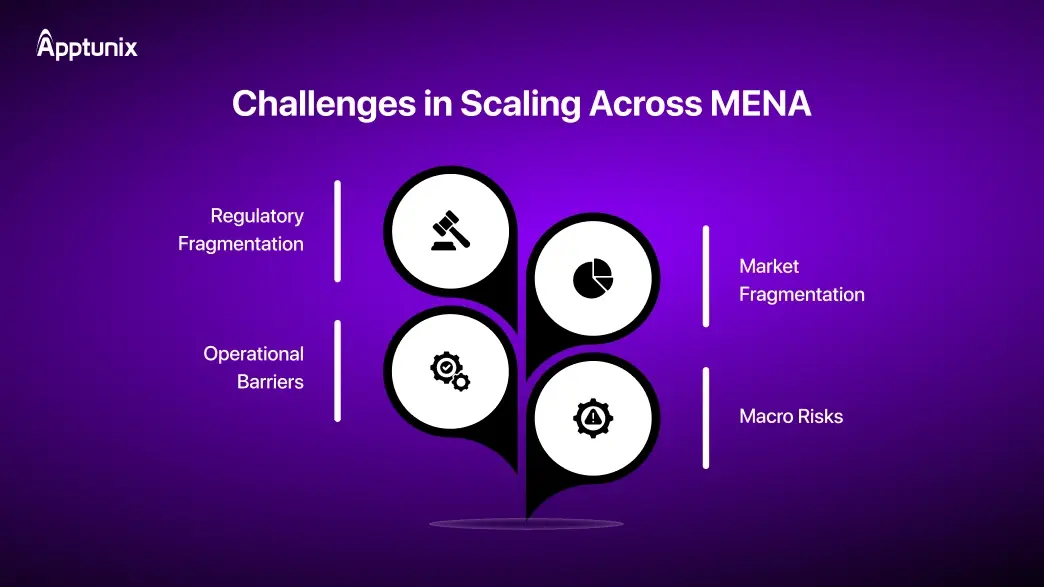
These realities underline that while MENA startups enjoy abundant opportunities, scaling requires careful planning, regional understanding, and often a strong local partner to navigate complexity.

Dubai has firmly established itself as the region’s startup capital. Entrepreneurs looking to launch a start up in Dubai or establish a business startup in Dubai benefit from an ecosystem designed to reduce friction and accelerate growth. Free zones like Dubai Internet City and Dubai Silicon Oasis provide simplified licensing, tax advantages, and access to international networks.
Beyond regulations, Dubai offers unmatched connectivity. Its central location positions it as a global hub, bridging Asia, Europe, and Africa. Combined with world-class infrastructure, the city allows founders to run a startup company in Dubai and seamlessly extend operations into other MENA markets. For many founders, this makes Dubai not only a launchpad but also the safest base for scaling across borders.
Dubai’s rise is powered by technology. A growing number of tech startups in Dubai are shaping regional perceptions, particularly in AI, fintech, and logistics. Government-backed initiatives like Dubai Future Foundation, Smart Dubai, and the Dubai AI Roadmap highlight how the city is committed to nurturing next-generation ventures.
This alignment between policy and innovation is why so many Dubai based startups gain visibility early. Startups working in artificial intelligence, clean tech, and SaaS benefit from frameworks that encourage experimentation and adoption. The government’s consistent push toward digital transformation gives founders confidence that their ideas will find support, not resistance.
Several success stories prove why the city is a launchpad for the wider region. Careem, which began as a ride-hailing app in Dubai, scaled across MENA before being acquired by Uber. Swvl, another notable example, tapped into Dubai’s resources before expanding into Egypt and Saudi Arabia. These journeys show that a start up business in Dubai can transform into one of the top MENA startups with the right execution.
Today, the list of startups in Dubai that are branching into Saudi Arabia, Egypt, and beyond continues to grow. Fintech innovators, SaaS providers, and AI companies born in Dubai are being recognized as part of the best startups in MENA. The lesson is clear: positioning your venture in Dubai provides credibility, resources, and reach that accelerate regional expansion.
Participating in GITEX 2024 gave us a front-row seat to the energy driving the region’s tech ecosystem. For Apptunix, the event delivered clear wins:
However, we also recognized challenges. Standing out in a sea of global tech giants was not easy. The diversity of audiences, from enterprise buyers to early-stage founders, meant we had to refine our messaging to stay relevant across multiple markets.
As we prepare for GITEX 2025 (Oct 13 -17), we are sharpening our strategy.
This approach ensures that our participation at GITEX Global and the GITEX exhibition goes beyond visibility. It positions us as a scaling partner for both emerging and established startups.
Our journey has surfaced practical lessons that any founder or scaling team can apply:
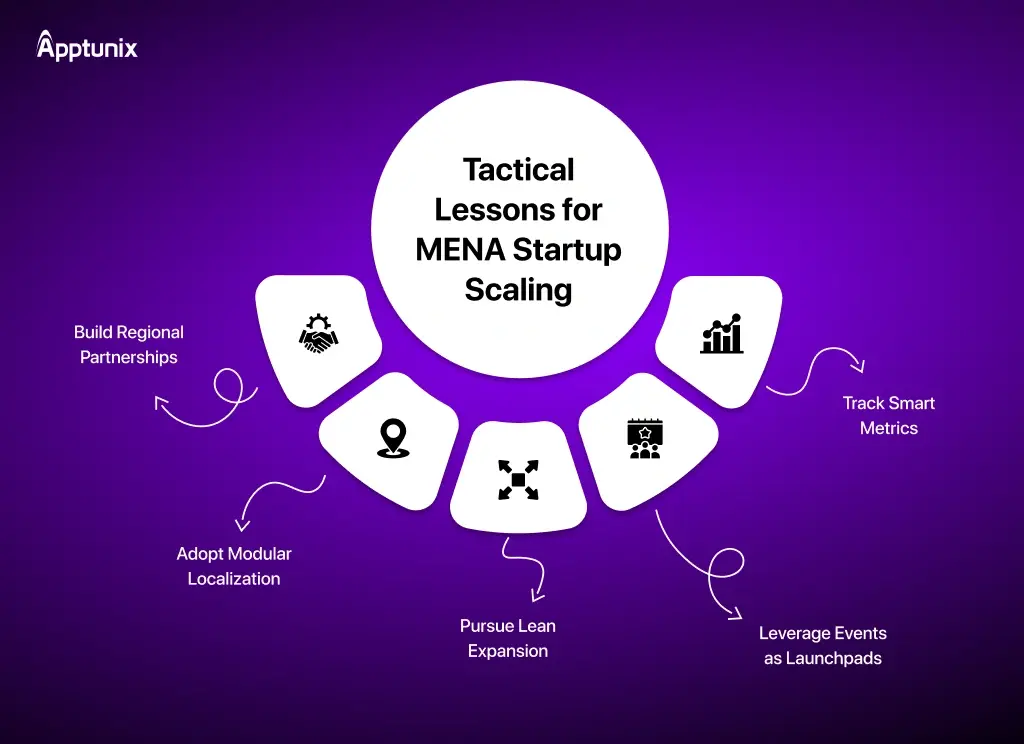
For Apptunix, these aren’t just theories, but shape how we guide clients. As a Dubai-based AI app development company, we help founders design products and scaling roadmaps that survive complexity while unlocking new growth.
Not every market is equally ready for expansion. Founders must evaluate market size, ease of regulation, and digital maturity before deciding where to go next. Saudi Arabia often emerges as a first choice because of its purchasing power, while Egypt offers access to a large and tech-savvy population.
The smartest approach is to test and validate in one country before committing heavy resources. A pilot project allows a MENA startup to measure traction, refine product-market fit, and reduce risks before scaling broadly.
Expanding across MENA requires more than replicating your Dubai playbook. Effective strategies include:
These tailored approaches ensure you capture the right business opportunities in MENA rather than spreading resources too thin.
Scaling in diverse markets means products must adapt seamlessly:
Top founders of MENA startups already recognize that technology decisions made early can either accelerate or limit regional expansion.
Building the right team is as critical as product-market fit.
For any startup company in Dubai aiming to grow regionally, balancing efficiency with localization becomes the cornerstone of operational success.
In order to attract serious capital, founders must prove cross-market potential. This means:
The founders of top MENA startups often highlight that investor trust comes when your roadmap demonstrates real traction plus the ability to win in multiple markets.

The rise of top MENA startups has been fueled not just by bold founders and visionary investors, but also by strong technology partners who translate ambitious ideas into scalable digital platforms. At Apptunix, we have had the privilege of co-building and scaling some of the region’s most impactful startups, from eCommerce and food delivery to automotive and SaaS platforms.
Top MENA Startups Powered by Apptunix
| Startup / Platform | Vertical | Scale | Origin City |
|---|---|---|---|
| Expo City Eats | Food Delivery | City-wide delivery ecosystem | Dubai |
| Namshi | Fashion & Shopping | Regional household brand, acquired by Noon | UAE |
| Dine-In | Food Ordering | On-demand dining & takeaway | Bahrain |
| Isuzu Digital Platform | Automotive SaaS | Dealership & customer engagement digitization | UAE |
| Majra | SaaS / Recruitment | AI-powered job matching across MENA | UAE |
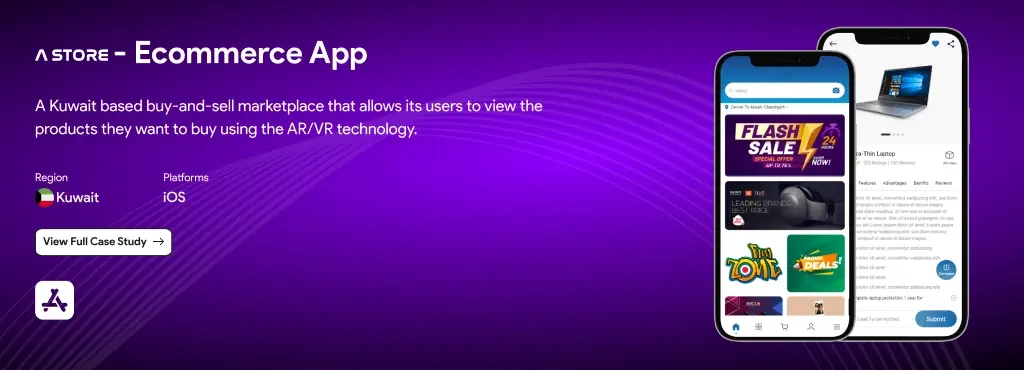
| A-Store | eCommerce | Multi-vendor marketplace scaling in MENA | Kuwait |
Developed for Expo City, this platform showcases how a business startup in Dubai can scale fast with the right tech foundation. Apptunix created an end-to-end food delivery solution with real-time order tracking and smart logistics optimization. It highlights Dubai’s vision of becoming a smart city while offering residents a frictionless urban lifestyle.

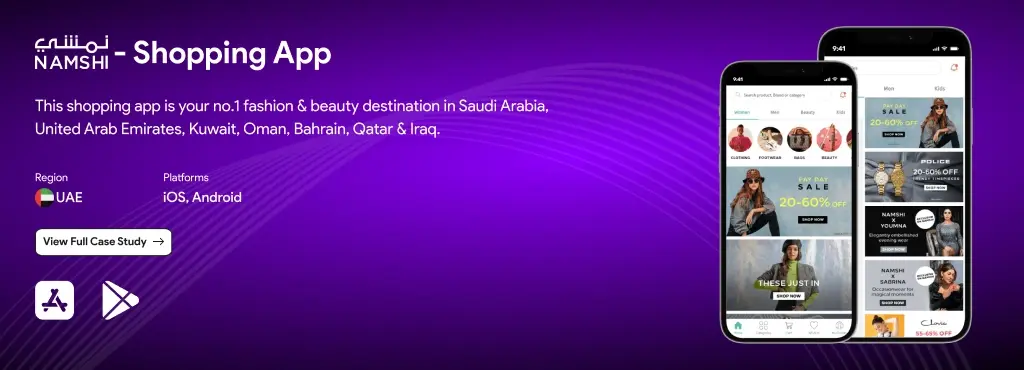
Namshi, one of the top MENA startups in fashion retail, became synonymous with online shopping in the region. Apptunix contributed to scaling its mobile shopping experience, making it more engaging and conversion-focused. Its later acquisition by Noon proves the power of a robust product-market fit combined with world-class engineering.
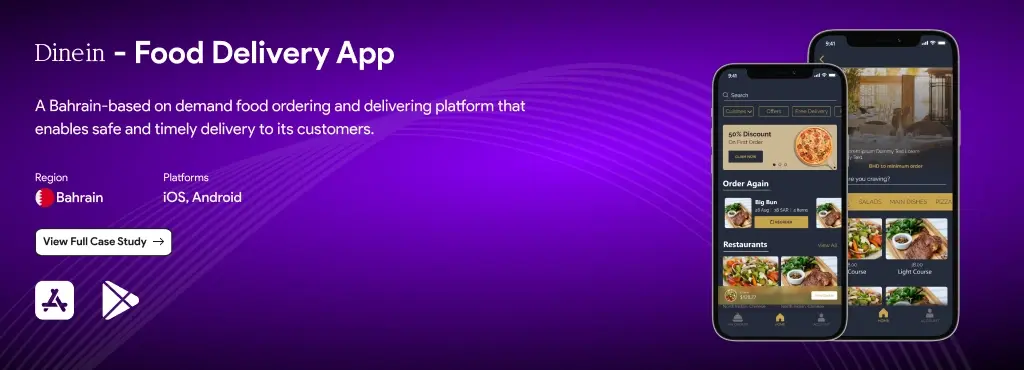
Apptunix built Dine-In to connect Riyadh’s restaurants with digital-first consumers. With modular localization, Arabic-first UI/UX, and hyperlocal delivery integrations, it reflects how startups in MENA can scale city-by-city while adapting to cultural and consumer behavior differences.
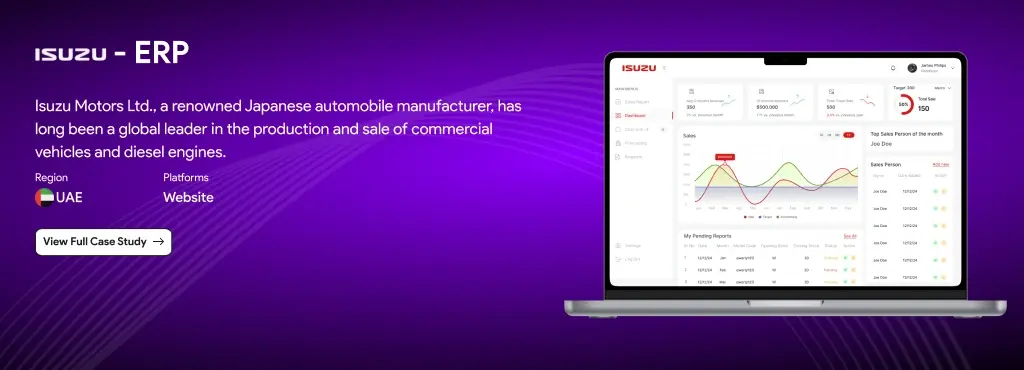
For Isuzu, Apptunix designed a digital dealership platform that improved customer engagement, service booking, and sales tracking. This project underscores how even global automotive players rely on Dubai-based tech innovation to localize their customer experience for MENA.
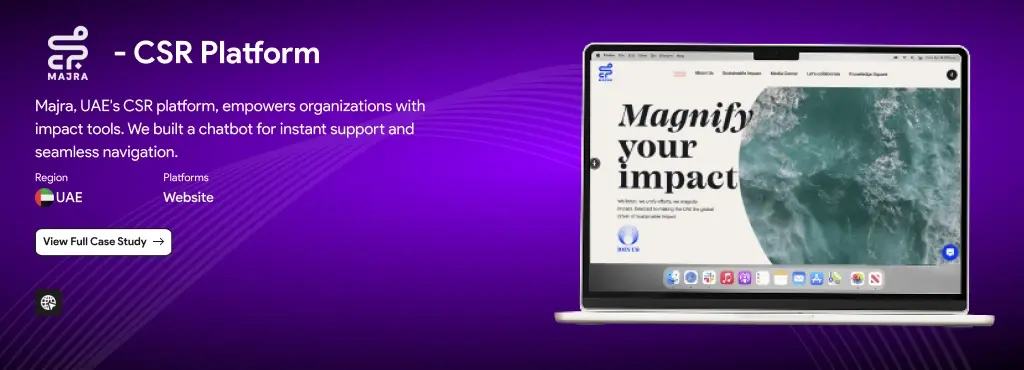
Majra, a SaaS-driven recruitment startup, leveraged Apptunix’s AI app development expertise to match young professionals with companies across MENA. Its focus on AI-driven matching algorithms sets it apart, and today, it’s considered a blueprint for talent-tech in the region.
Apptunix partnered with A-Store to build a multi-vendor eCommerce marketplace designed for scalability. With a seamless AI-powered recommendation engine and multi-currency checkout, it’s helping SMEs in MENA establish a digital presence quickly. Today, it stands as a model for how MENA startups can compete with global players while retaining local relevance.
Apptunix’s role in powering these top MENA startups underscores why we are recognized as a leading AI mobile app development company in Dubai, not just building apps, but shaping the region’s digital future.
Choosing a Dubai-based AI app development company gives startups more than just coding expertise. It provides a strategic edge:
At Apptunix, we have refined a methodology that matches the growth curve of a MENA startup:
Let’s Build the Next Success Story Together
If you are planning a startup company in Dubai or eyeing a start up business in Dubai with ambitions to expand across MENA, now is the time to act.
Reach out to Apptunix for a free audit, consultation, or workshop tailored to your growth journey at GITEX 2025.
Together, we will help you validate your idea, craft scalable technology, and turn your vision into one of the top MENA startups of tomorrow.

Recommended Read: Software Development Cost in Middle East (UAE vs Saudi Arabia Vs Kuwait)
Q 1.What are the biggest challenges for startups in MENA?
The top challenges for startups in MENA include regulatory fragmentation across countries, diverse languages and cultures, and operational hurdles like talent shortages and infrastructure gaps. Currency volatility and political shifts also make scaling more complex compared to single-market regions.
Q 2.How can a startup in Dubai expand across MENA?
A startup in Dubai can expand regionally by first testing its model locally, then entering one new market at a time. Success comes from modular localization (languages, payments, compliance), building regional partnerships, and leveraging events like GITEX Global for visibility.
Q 3.Which MENA startup has scaled fastest?
Some of the top MENA startups that have scaled fast include fintech leaders from Saudi Arabia, eCommerce platforms like Namshi in the UAE, and AI-powered SaaS startups such as Majra in Bahrain. Each used Dubai or Saudi Arabia as a launchpad before moving cross-border.
Q 4.What sectors in MENA offer the best business opportunities?
Currently, business opportunities in MENA are strongest in fintech, AI, SaaS, PropTech, and healthtech. These sectors benefit from government-backed innovation programs, growing consumer demand, and increasing VC funding across the region.
Q 5.Should I partner with a local app development company in Dubai?
Yes, choosing a Dubai-based app development company ensures market-fit design, regulatory compliance, and cultural localization. A local partner like Apptunix brings proven experience with MENA startups, helping you scale faster and avoid costly missteps.
Get the weekly updates on the newest brand stories, business models and technology right in your inbox.
Hardeep Singh is a seasoned B2B technical writer at Apptunix with a sharp eye for strategy and a mind wired for innovation. With over a decade of experience in technical and SEO writing, and a Master’s degree in Wireless Communication, he’s written across domains including AI, Blockchain, IoT, Cybersecurity, and beyond. At Apptunix, Hardeep drives content that bridges business goals with future-ready mobile and web solutions, thus helping startups and enterprises make smarter digital decisions.
Book your consultation with us.
Book your consultation with us.


One Central, The offices 3, Level 3, DWTC, Sheikh Zayed Road, Dubai
+971 50 782 1690


Offer Ends Soon
Get a quick expert response in under 5 minutes.