Chat with us, powered by LiveChat Responsive Web Design: How To Build a Mobile-Friendly Website?

What is Responsive Web Design? Key Tips To Build a Mobile-Friendly Website

Sandeep Singh

As the Design Lead (UI/UX) at Apptunix, Sandeep Singh brings a decade of experience in crafting human-centric digital experiences. He specializes in intuitive product design, user psychology, and aesthetic storytelling that elevates brand identity. Sandeep is dedicated to building seamless interfaces that balance form and function, ensuring every digital touchpoint is engaging and accessible. By combining design-thinking with data-driven insights, he helps businesses transform complex workflows into delightful user journeys that drive high retention and market success.

4957 Views| 7 mins | March 6, 2026
Read Time: 7 mins | March 6, 2026
What is responsive web design?

Quick Summary:

  • Responsive web design ensures your website automatically adjusts to any screen size using fluid grids, CSS media queries, and flexible images. No separate mobile site is needed.
  • With over 60% of traffic coming from mobile and Google’s mobile-first indexing, strong web responsiveness is essential for better SEO and visibility.
  • Unlike adaptive design, responsive design uses a single flexible codebase that scales smoothly across new devices, including tablets and foldables.
  • Core responsive web design techniques include mobile-first layouts, optimized media, logical breakpoints, touch-friendly buttons, and performance-focused structure.
  • Prioritizing user experience design (fast loading, minimal pop-ups, clean navigation) directly reduces bounce rates and improves conversions.
  • Investing in responsive web design services with expert web app developers ensures scalable performance and long-term growth.

We all turn to our phones first whenever we need to look something up quickly or shop online. This is the norm now. Around 63% of global web traffic comes from mobile devices, while desktops make up the remaining 37% as of the second quarter of 2025.

This just goes on to show how indispensable mobiles have become today.
If you are running an online business and do not have a mobile-friendly website, you are missing out on a lot of potential leads. But that is not the only reason why you should have a responsive web design. Google tends to prioritize indexing mobile versions of the website content over desktop websites.

So, if you want to rank better (which is something everybody wants), then you need a mobile-friendly website. Responsive web design is one approach that can help you meet this goal.

What is Responsive Web Design?

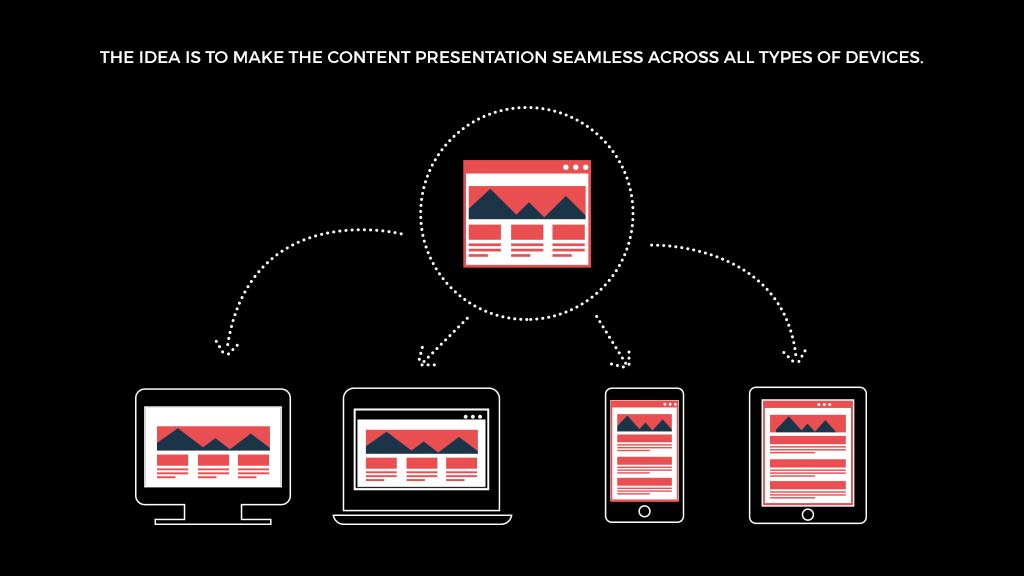
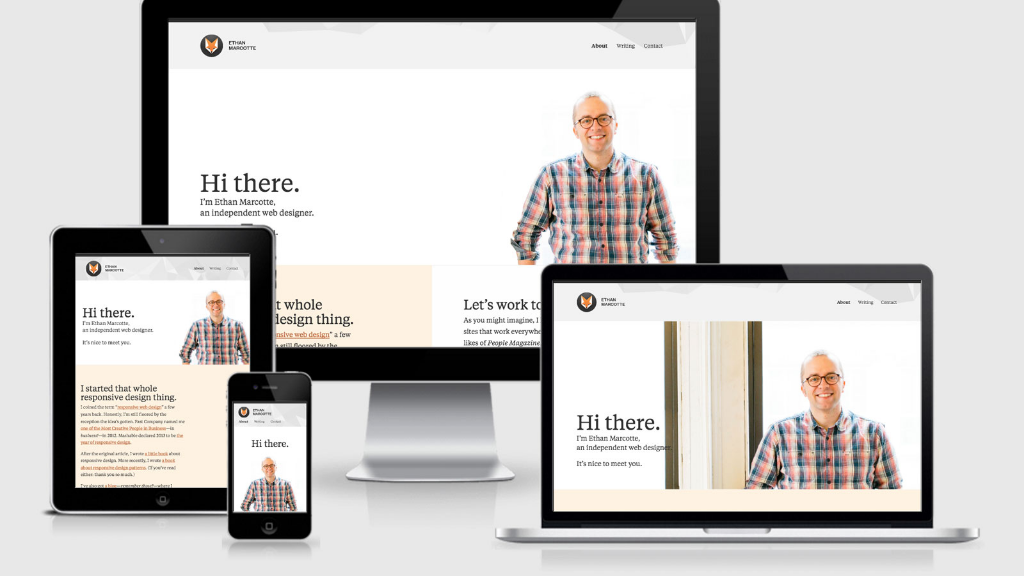
Responsive web design is an approach in which the website interface adapts to the device’s layout. The goal is for the website to retain its optimal usability and appearance regardless of the device it’s displayed on. Basically, it means that the website will be able to adapt to different screen sizes, orientations, layouts, and platforms.

This can be accomplished with the use of flexible grids and layouts, CSS media queries, responsive images, and more.

What is the Need For Responsive Web Design?

A responsive website is essential to display and function correctly on mobile devices like smartphones and tablets. This means that elements like text, images, buttons, navigation, and the overall layout adapt to the smaller screen size. RWD is super critical because it boosts SEO rankings according to Google’s mobile-first indexing.

Reasons why your business needs responsive web design

Mentioning some of the key reasons to justify the need for a responsive website:

  1. Rising Mobile Traffic: More than 60% of web traffic comes from mobile users. A responsive website ensures accessibility to all users on different platforms.
  2. Improved User Experience: If you’ve ever used a desktop version of any site on your mobile device, then you know how difficult it is to browse seamlessly. RWD eliminates the need for annoying zooming or scrolling, providing a better experience.
  3. Google’s Mobile-first Indexing: Mobile optimization is essential for SEO. The search engine uses the mobile version of a website’s content for indexing and ranking rather than the desktop version.
  4. Single Codebase: A single responsive website saves on development and maintenance costs. It is because you don’t have to maintain separate websites for desktop and mobile.
  5. Adapts to New Technology and Devices: RWD ensures that your website looks great on new screen sizes (e.g., foldable devices). This is because it focuses on flexible layout principles rather than specific device dimensions.
  6. Supports Emerging AI & Voice Search Trends: A well-structured layout helps AI-driven search engines and voice assistants like Siri & Alexa easily understand and decipher your content.
  7. Faster Loading Times: Responsive websites generally load faster by optimising images and code for smaller screens. This is a critical feature for both user experience and search rankings.

Responsive Vs. Adaptive Design: What is the Difference?

As you research responsive web design, you might have also come across the term adaptive web design. You can check out the table below and compare these similar terms:

Basis Responsive Web Design (RWD) Adaptive Web Design (AWD)
Definition RWD is the design approach where the site layout automatically adjusts to any screen size. AWD is the design approach where fixed layouts are created for common screen widths.
Layout Style Requires creating one flexible layout that adapts according to the device. You’ll need to create a different layout for every device.
How it Works Website automatically resizes and rearranges content using CSS media queries. Detects the size of the device and loads a pre-designed layout for it.
Development Approach Single codebase With AWD, you need to design for multiple layouts, which means more design work.
User Experience RWD offers a smooth and consistent experience across different devices. AWD is usually optimised for standard-sized screens; however, it can break on new or unusual screen sizes.
SEO Performance This design approach is better for SEO. It is easier for search engines to crawl. Adaptive web design can work for SEO, but the setup needs to be handled carefully.
Maintenance Easier and cheaper to maintain. Harder to maintain due to multiple versions.

How Does Responsive Web Design Work?

RWD is the compilation of different programming languages, markup languages, and web technologies. Let’s talk about them in detail:

Core Components of Responsive Web Design

There are usually 5 core components, which include

  • Fluid Grids & Layouts

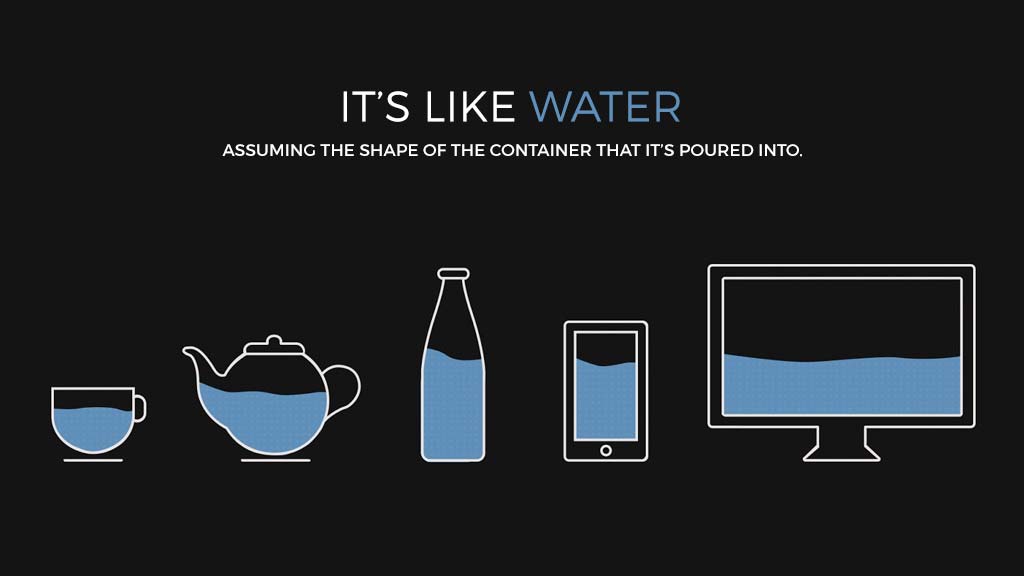
Percentage-based width is used for elements instead of fixed-pixel width. This allows the content to resize proportionally, behaving like a liquid adapting to its container.

  • CSS Media Queries

These alter the web designs based on a user’s device at designated breakpoints.

  • Flexible Images & Media

Images and media elements are scaled within their containing elements so they do not exceed the screen width. This ensures that they remain clearly viewable on small screens as well.

  • Hypertext Markup Language

This programming language determines the content and structure of a webpage.

  • Cascading Style Sheets

CSS is a programming language that determines how the HTML elements will appear on a live website.

8 Key Tips to Build a High-Performance Mobile-Responsive Website

Now that you know what responsive web design is and how it works, the next step is implementation. Here are the most important tips to ensure that your website has a great UX:

Tips to build a high-performance mobile-responsive website

1: Implementing a Fluid Layout Strategy

A fluid layout means that your website adapts to different screen sizes. No fixed pixel dimensions are used. Relative units like rem and em, percentage-based widths, and flexible containers are used that expand or shrink based on viewport size.

This helps because it ensures that your layout stretches naturally on large and small screens while maintaining proper readability. Without a fluid foundation, your responsive web design will rely on breakpoints and feel unstable.

2: Optimising Images and Media

Images are the most space-consuming elements on a webpage. They will slow down the loading speed and increase bounce rates if not optimized, especially for mobile networks. Try using:

  • Compressed image formats
  • Responsive image attributes
  • Lazy loading

Make sure that the media on the website scales within its container without distorting or overflowing. Faster media delivery automatically improves user experience, core web vitals, and SEO performance.

3: Utilizing CSS Media Queries

The role of media queries is to allow your design to adjust everything visible on the screen at specific screen widths. Focus on building a logical layout shift, such as:

  • Converting multi-column layouts into stacked sections.
  • Adjusting font sizes for readability
  • Repositioning navigation items

4: Vertical Layouts and Mobile-First Navigation

Most of us prefer scrolling vertically on mobile phones. So, instead of compressing desktop layouts, it’s better to restructure content into a readable flow. Follow some of these practices:

  • Placing the most important content above the fold
  • Using collapsible menus
  • Keeping primary CTAs visible

Keep the navigation minimal and intuitive. Overloading menus on mobile screens confuses and reduces engagement.

5: Designing for Touchscreen Interactions

Mobile interactions are based on touch rather than the precision of the cursor. You need to design the elements to reach within the natural thumb reach zones. Buttons should be large enough to tap comfortably. Leave sufficient spacing between interactive components to prevent accidental clicks.

6: Prioritizing Content and Performance

High-performance responsive websites do not attempt to display everything at once. They organize the information based on user intent and importance. There is an unsaid rule about this. Primary headlines and conversion elements should appear first. Secondary information can be revealed as the user scrolls down.

From a technical perspective, it is always better to minimize unnecessary scripts and avoid any resource-heavy elements for faster page performance.

7: Avoid Intrusive Pop-ups

Sure, pop-ups are a great way to update the user about ongoing offers or sales, but they go against your favour pretty quickly. Aggressive pop-ups not only block access to the content but also disrupt the browsing flow of the customer. Instead of this, you should go for small notification banners or behavior-triggered offers on their first visit to your website.

8: Testing Across Devices and Browsers

Lastly, you need to evaluate your website across multiple operating systems, browsers, and screen resolutions to ensure consistent behaviour. This is important because it helps you identify any unexpected layout shifts, performance bottlenecks, and other issues that may not appear during the development simulations.

Why Businesses Should Invest in Professional Web Design Services?

Recent stats reveal that around 1.71 billion websites have implemented responsive design. However, using simple templates may not be enough if you are planning to build a website that keeps performing well over time.

This is why many businesses find it helpful to work with an experienced web design company that understands how design, performance, and usability work together. Here are some compelling reasons why you should consider investing in professional web design services:

  • Improved First Impressions and Credibility: A professionally designed website acts as your digital storefront. It appears more established and credible to potential customers.
  • Better SEO: Experts use proper coding, structure, and optimized content to build your website. This results in a higher ranking on search engines, making it easier for customers to find you online.
  • Integration of AI Tools: Developers can incorporate AI-powered features like chatbots, AR/VR experiences, personalized recommendations, and more.
  • Customization and Brand Alignment: With the help of a professional web design company, you can bring your vision to life. Designers can create a unique and custom site that reflects your brand vision and goals.
  • Stand out from the Competition: A well-designed and fast-loading website will give you a competitive advantage against those who are still relying on outdated websites.

While building a responsive website requires an initial investment, it ultimately pays off by acting as a powerful marketing tool that drives significant revenue.

Wrapping Up

With mobile traffic continuing to grow, your business needs a website that is fast, flexible, and built to perform across every screen size. A well-structured responsive website will not only help improve user experience but also strengthen SEO and boost credibility.

At Apptunix, we offer end-to-end web development services tailored to business goals. With over 12+ years of industry experience and 2500+ clients across global markets, our team focuses on building high-performance, scalable websites that drive measurable results.

If you want a website that feels intuitive on every screen and sets your business up for growth, investing in professional design and development is definitely worth it.

Build Your Own Mobile Responsive website!

Frequently Asked Questions(FAQs)

Q 1.Why is responsive web design important for businesses?

RWD is important for businesses as it improves user experience, supports mobile traffic growth, helps with SEO, and increases the chances of conversions by making the website easier to navigate.

Q 2.What are the key elements of a responsive website?

The key elements of a responsive website include:

  • Fluid Grids & Layouts
  • CSS Media Queries
  • Flexible Images & Media
  • Hypertext Markup Language
  • Cascading Style Sheets

Q 3.Is responsive web design good for SEO?

Yes, responsive web design is important for SEO because of Google’s mobile-first indexing update, where the mobile version of a website is prioritized for crawling and ranking.

Q 4.How much does responsive web design development cost?

The cost depends on the complexity and features you need. Basic responsive websites are more affordable, while advanced web applications with custom functionality, integrations, or AI-powered features can cost significantly more. In general, projects may range from about $15k to $50k or more, depending on the scope of work.

Rate this article!

Bad Article
Strange Article
Boring Article
Good Article
Love Article

Join 60,000+ Subscribers

Get the weekly updates on the newest brand stories, business models and technology right in your inbox.

Related Posts

Top 50 Startup Business Ideas in Australia: 2026 Updated List

Top 50 Startup Business Ideas in Australia: 2026 Updated List

99 Views 7 min March 2, 2026

Legacy System Maintenance Cost: How to Reclaim 30% of Your Spend!

Legacy System Maintenance Cost: How to Reclaim 30% of Your Spend!

115 Views 7 min February 26, 2026

Top Legal Issues in Mobile App Development in 2026

Top Legal Issues in Mobile App Development in 2026

174 Views 7 min February 24, 2026

Partner with tech catalysts who transform ideas into impact.

Book your free consultation with us.

Let’s Talk!

Partner with tech catalysts who transform ideas into impact.

Book your free consultation with us.

Let’s Talk!

UAE

UNITED ARAB EMIRATES

One Central, The offices 3, Level 3, DWTC, Sheikh Zayed Road, Dubai, United Arab Emirates

+971 50 782 1690
USA

UNITED STATES

42 Broadway, New York, NY 10004, United States

+1 (512) 872 3364
UK

United Kingdom

71-75 Shelton Street, Covent Garden, London, WC2H 9JQ, United Kingdom

India

INDIA

3rd Floor, C-127, Phase-8, Industrial Area, Sector 73, Punjab 160071

+91 96937 35458
India
UAE
India
USA
UK
UK
India
INDIA

Speak With Our Experts

Submit
Map