Wedding/Marriage App Development for KSA and GCC: A Founder’s Playbook
522 Views 6 min December 26, 2025

With over 20+ years of experience in driving global digital initiatives, Nikhil Bansal is the CEO & Director of Apptunix. He specializes in orchestrating large-scale digital transformations, enterprise-grade software solutions, and high-level business strategies that redefine industry standards. Nikhil is known for his ability to bridge the gap between complex business challenges and innovative technology, helping Fortune 500 companies and startups alike achieve sustainable growth. A visionary leader, he empowers enterprises to navigate the digital landscape with agile, ROI-focused models and future-ready business strategies.
As we approach 2026, we’re witnessing a dramatic shift in how mobile applications become innovative and transformative. Investing in mobile app development trends 2026 is not just a choice but a necessity.
Let’s take a look at latest global mobile app market stats:
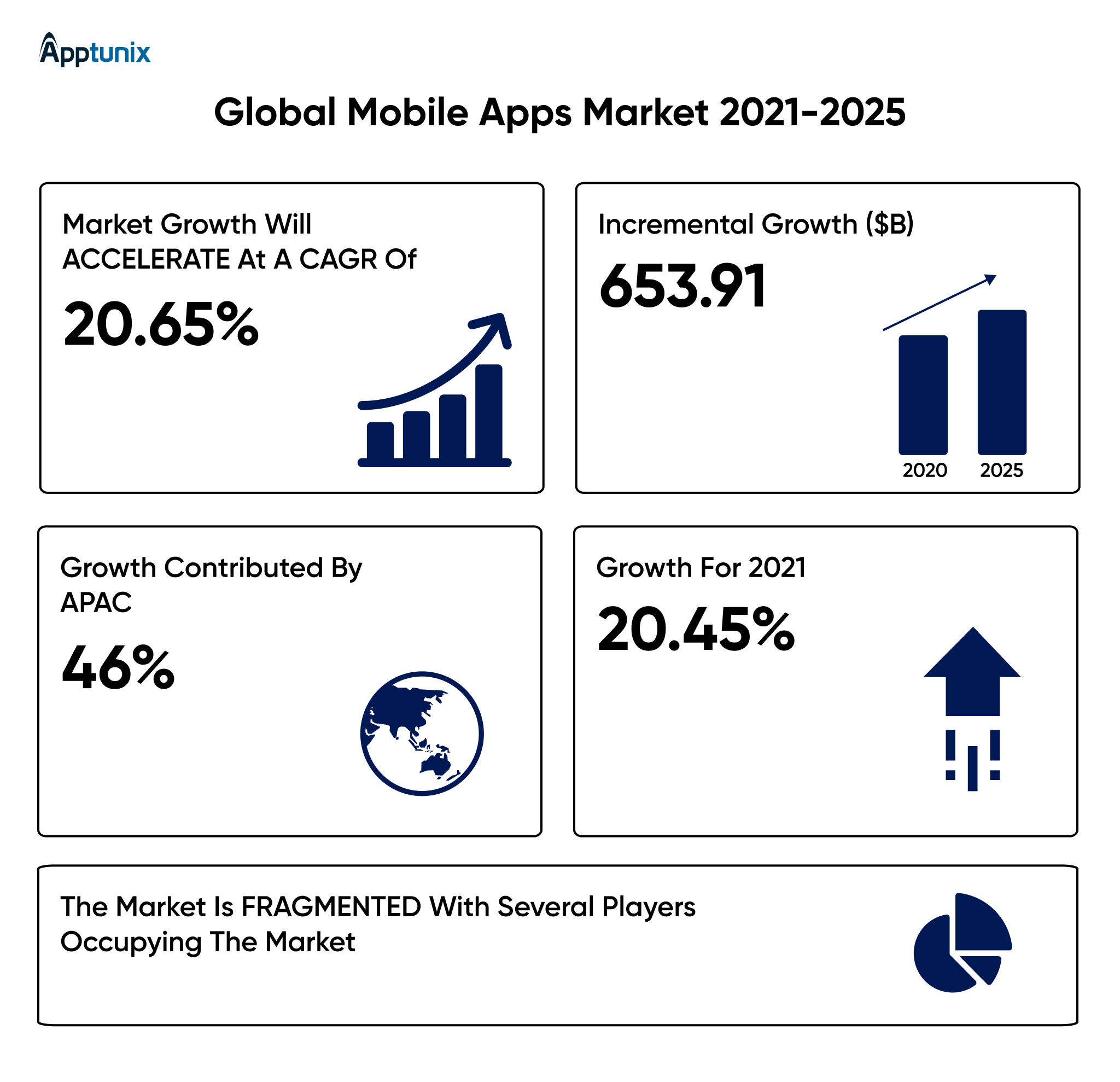
Implementing the emerging mobile app development trends for 2026 is no longer a choice but a necessity. Whether you’re a seasoned developer, a business owner, or simply someone interested in technology’s future, understanding these emerging trends is essential.
In today’s guide, we’ll dive deep into top mobile app development trends 2026 with popular examples. Let’s get started!
Staying updated with mobile app development trends 2026 is highly crucial for businesses to meet evolving user expectations and maintain market competitiveness.
Research suggests that over 90% of smartphone users prefer apps with intuitive, modern designs. With users spending an average of 4.8 hours daily on mobile apps, meeting these preferences is essential.
Trends like AI personalization and 5G integration significantly boost app performance and user satisfaction, with reports indicating a 30-40% increase in user retention for apps leveraging these technologies.
Furthermore, the global mobile app market, projected to reach $935 billion by 2025, highlights the immense growth opportunities for businesses adopting innovative solutions.
Early adopters of app trends often achieve 20-25% higher ROI and better market visibility, making it clear that keeping pace with technological advancements is not just an advantage—it’s a necessity for sustained success.
Following, we’ve listed the top mobile app development trends for 2026. Let’s discuss:
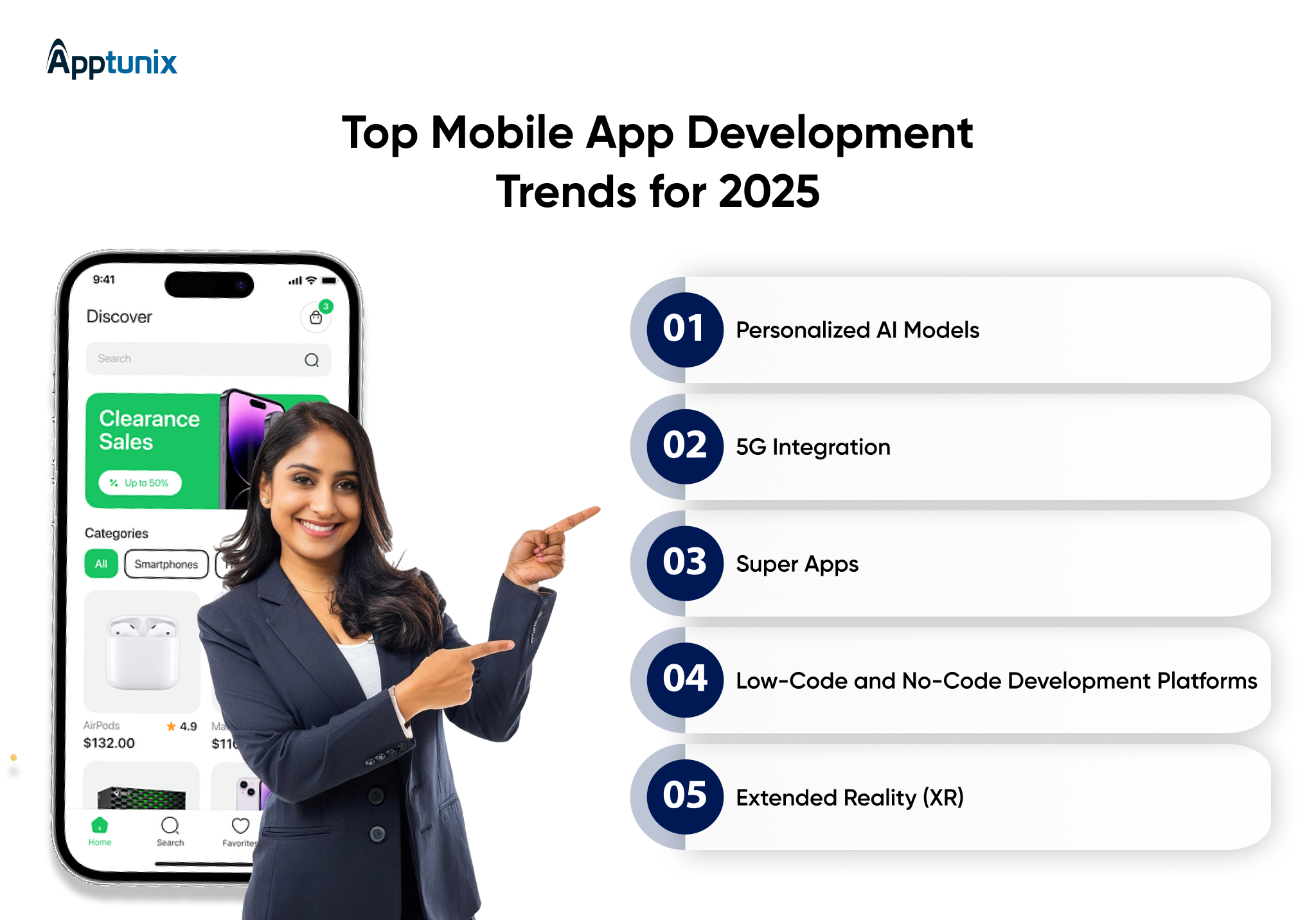
1. Personalized AI ModelsA recent IBM Institute for Business Value report reveals that three out of five consumers are eager to use AI-powered applications while shopping.
Additionally, McKinsey highlights that 71% of consumers expect businesses to provide personalized content, and 67% express frustration when their interactions with companies lack tailored experiences.
Personalized AI models are an important trend that you should definitely consider. This model lets businesses learn about user preferences, behavior, and habits easily. This will enable users to have a personalized experience tailored to their needs & requirements.
Several industries, such as retail, eCommerce, fitness, streaming, and more, have adopted this trend. For instance, in grocery delivery app development, personalized AI can be used to recommend products based on user preferences, past purchases, or dietary restrictions.
Personalized AI is changing the landscape by making apps more intuitive, entertaining, and suited to users’ specific requirements, increasing overall user satisfaction. This technology not only increases user retention but it also drives business growth by providing hyper-personalized experiences.
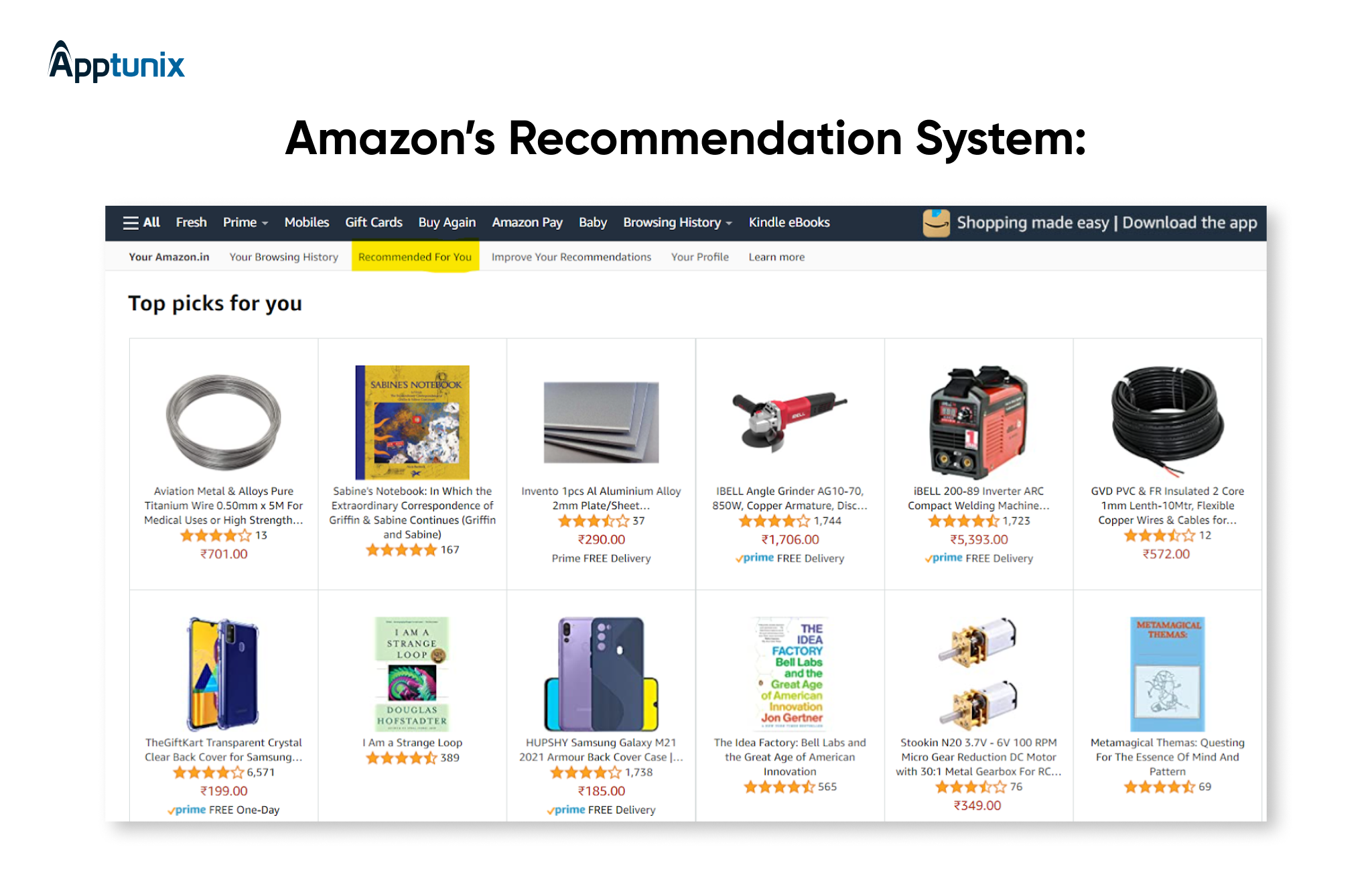
| Feature | Description | Impact |
|---|---|---|
| Recommendation Basis | Amazon’s AI recommends products based on a customer’s browsing history, previous purchases, and searches. | Highly personalized shopping experience. |
| Revenue Contribution | Personalized recommendations account for 35% of Amazon’s overall income. | Significant boost in engagement and sales. |
| Consumer Impact | Enhances consumer satisfaction by showing relevant and desired products. | Improved user loyalty and shopping convenience. |
2. 5G IntegrationLooking for enhanced speed, low latency, and reliable connectivity in your mobile app? – Then, you must integrate 5G technology and revolutionize your app development.
With download speeds up to 100 times faster than 4G, 5G enables apps to provide a smooth experience even during data-intensive interactions. For example, 5G networks have a minimum latency of 1 ms, making them ideal for real-time gaming and augmented reality (AR) applications.
It also opens up possibilities for other AR/VR, which is expected to grow at a compounded annual rate of 35.7% up to 2027. Further, 5G is revolutionizing IoT connections through IoT applications with a density of up to 1M devices per square kilometre and is opening up new intelligent applications of connected things in homes, healthcare industries, etc.
These advancements improve app delivery performance while also opening pathways for creative app solutions across various industries.
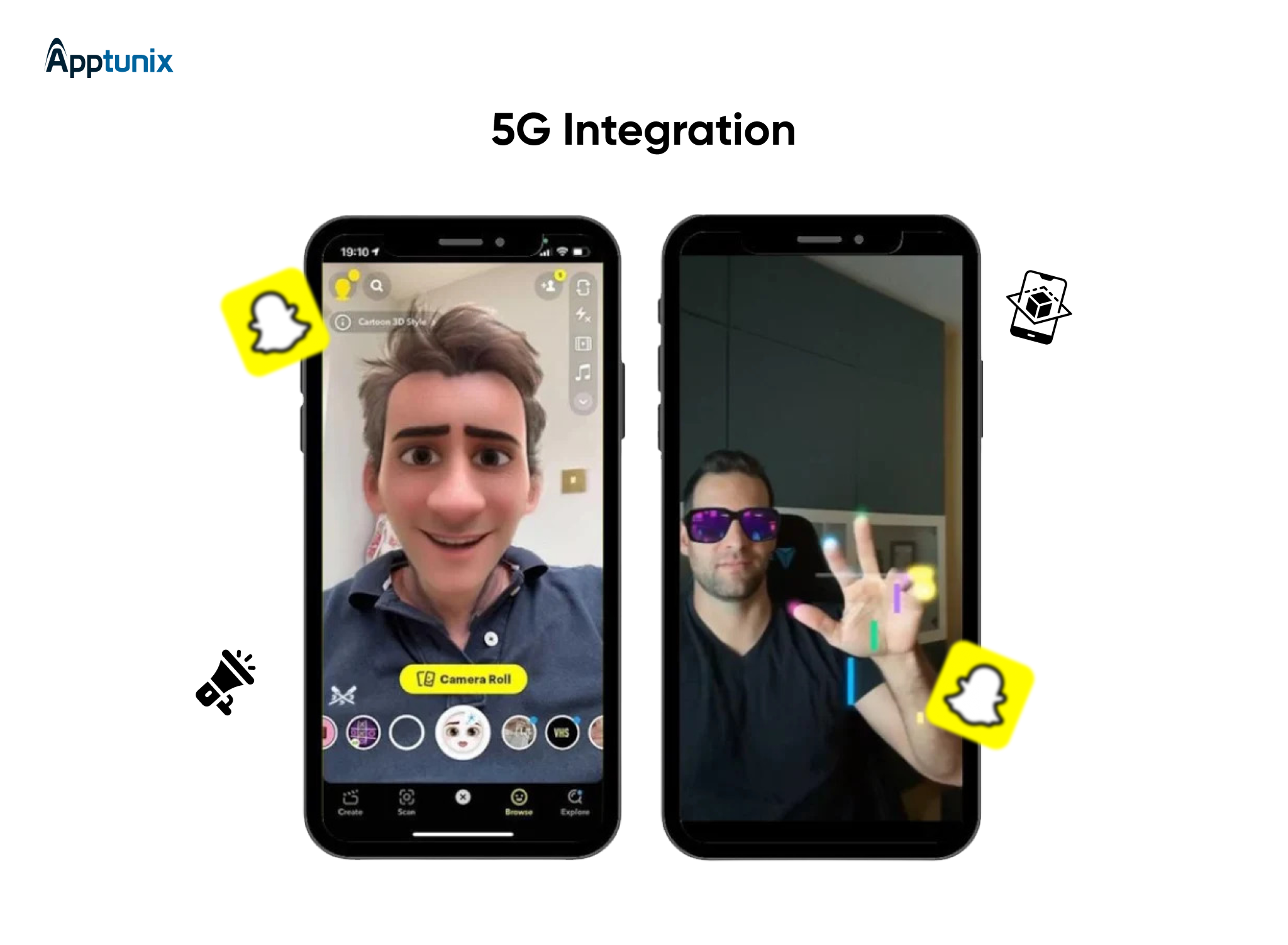
| Feature | Description | Example |
|---|---|---|
| 5G Connectivity | Enables better-augmented reality experiences, such as real-time face filters, 3D world glasses, and interactive content. | Enhanced AR filters and seamless interaction in high-speed environments. |
| Event Integration | Delivers high-quality AR overlays and live updates during events like concerts and sports. | Real-time AR features enhance event experiences for users. |
| User Engagement | Improves application capabilities and user interaction through seamless and effective AR experiences. | Increased user satisfaction and app retention. |
Read More: How Much Does it Cost to Build an App like Snapchat [Roadmap + Costing]
3. Super AppsOne in three people in the world are super app users. One of the most prominent examples is WeChat, which has over 1.2 billion active users monthly.
So, what exactly are super apps? –
It’s an all-in-one platform that integrates multiple services into a single app. It offers everything from messaging and shopping to payments, entertainment, and more.
According to Gartner, Super apps will account for 40% of digital commerce by 2027. The global superapps market was valued at USD 61.30 billion in 2022 and is expected to grow at a compound annual growth rate (CAGR) of 27.8% from 2023 to 2030.
The rise of super apps reflects the growing demand for convenience, as users prefer managing various tasks within a single, streamlined platform.
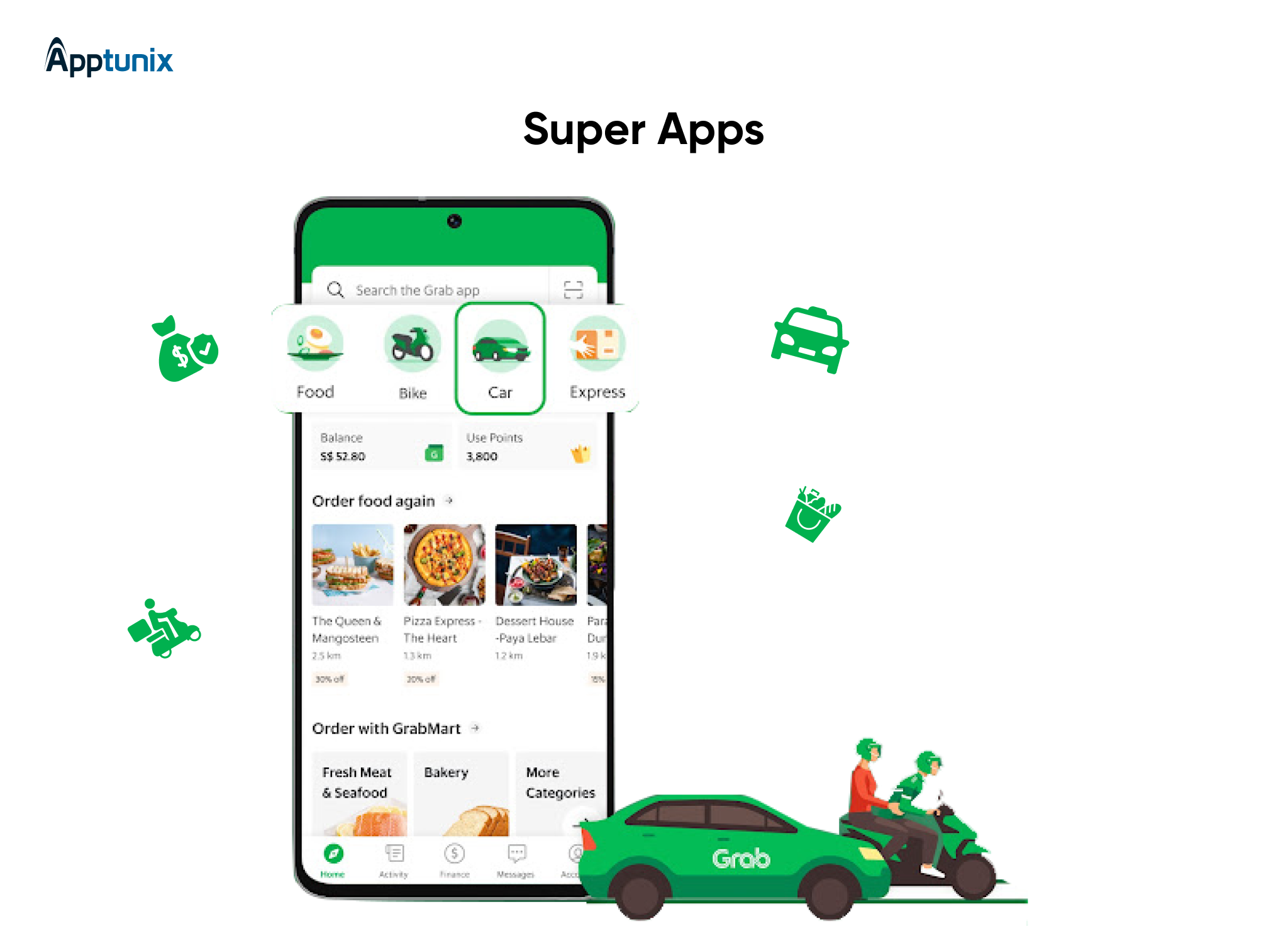
| Feature | Description | Impact |
|---|---|---|
| Super App Model | Grab integrates services like ride-hailing, food delivery, financial services, and grocery shopping into a single platform. | Convenience for users, making Grab the go-to platform for multiple needs. |
| Regional Success | Over 150 million downloads across Southeast Asia, operating in multiple countries. | Established a strong foothold as a leader in the super app market. |
| Customer Loyalty | Integration of diverse services increases user retention and satisfaction. | Enhanced loyalty and expanded user base. |
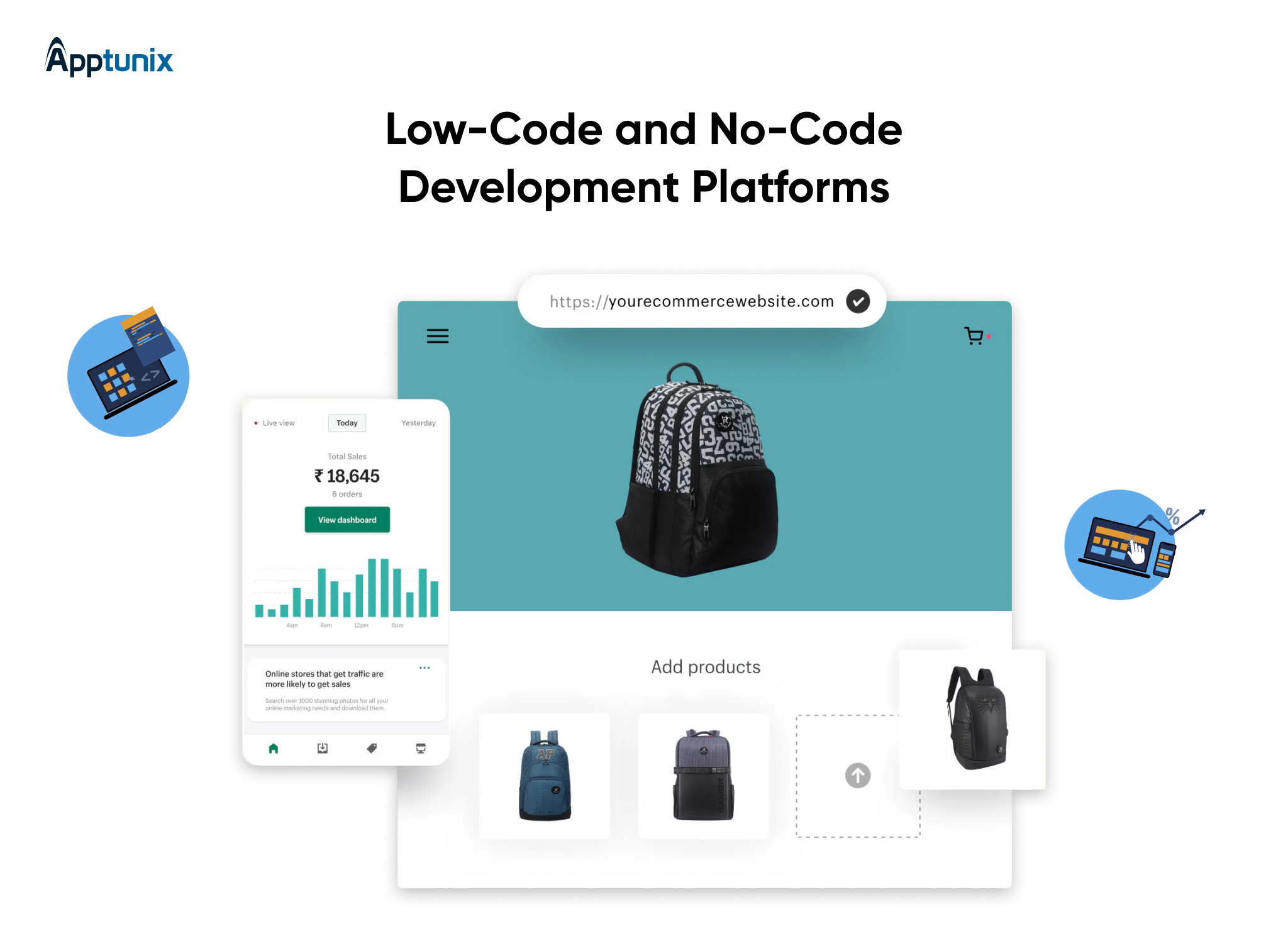
4. Low-Code and No-Code Development Platforms:Low-code and no-code development platforms are the perfect choice if you’re looking for faster and more cost-effective solutions.
These platforms allow users to create applications with minimal hand-coding, using visual interfaces and drag-and-drop tools, making them ideal for businesses aiming to streamline development processes. Whether you’re looking to build a Gojek clone app or an Airbnb clone app, these platforms enable you to get started quickly without needing extensive coding knowledge.
By 2025, 70% of new business applications will use low-code/no-code technologies. These platforms can reduce app development time by up to 90%, enabling faster development cycles and empowering non-technical users to build apps. This rapid development and ease of use contribute to their growing popularity.
The low-code/no-code market is anticipated to grow at a (CAGR) of 31.1% from 2020 to 2030, reaching $187 billion in revenue. As a result, businesses adopting these technologies can innovate faster, stay ahead of the competition, and significantly reduce development costs.
| Feature | Description | Impact |
|---|---|---|
| No-Code Platform | Shopify allows users to create e-commerce stores without needing any coding knowledge. | Empowers entrepreneurs to start online businesses quickly and easily. |
| Global Usage | Over 1.7 million businesses worldwide use Shopify for their online stores. | Demonstrates widespread adoption and accessibility. |
| Ease of Use | Simplifies e-commerce setup with user-friendly tools and templates. | Makes online retail accessible to non-technical users. |
5. Extended Reality (XR)Extended Reality (XR) is the culmination of Virtual Reality (VR), Augmented Reality (AR), and Mixed Reality (MR). It transforms how we interact with the digital world to create immersive experiences across mobile apps.
As XR technology becomes more affordable and accessible, its adoption is expected to soar. The global XR market was valued at $131.54 billion in 2023 and is projected to reach $1,706.96 billion by 2032.
Industries across the board—from gaming and education apps to retail and real estate app development—are embracing XR to offer interactive, engaging experiences that were once unimaginable.
By leveraging XR in mobile app development, businesses are not only providing innovative experiences for users. Still, they are also positioning themselves ahead of the competition, tapping into a rapidly growing market that will shape the future of digital interaction.
| Feature | Description | Impact |
|---|---|---|
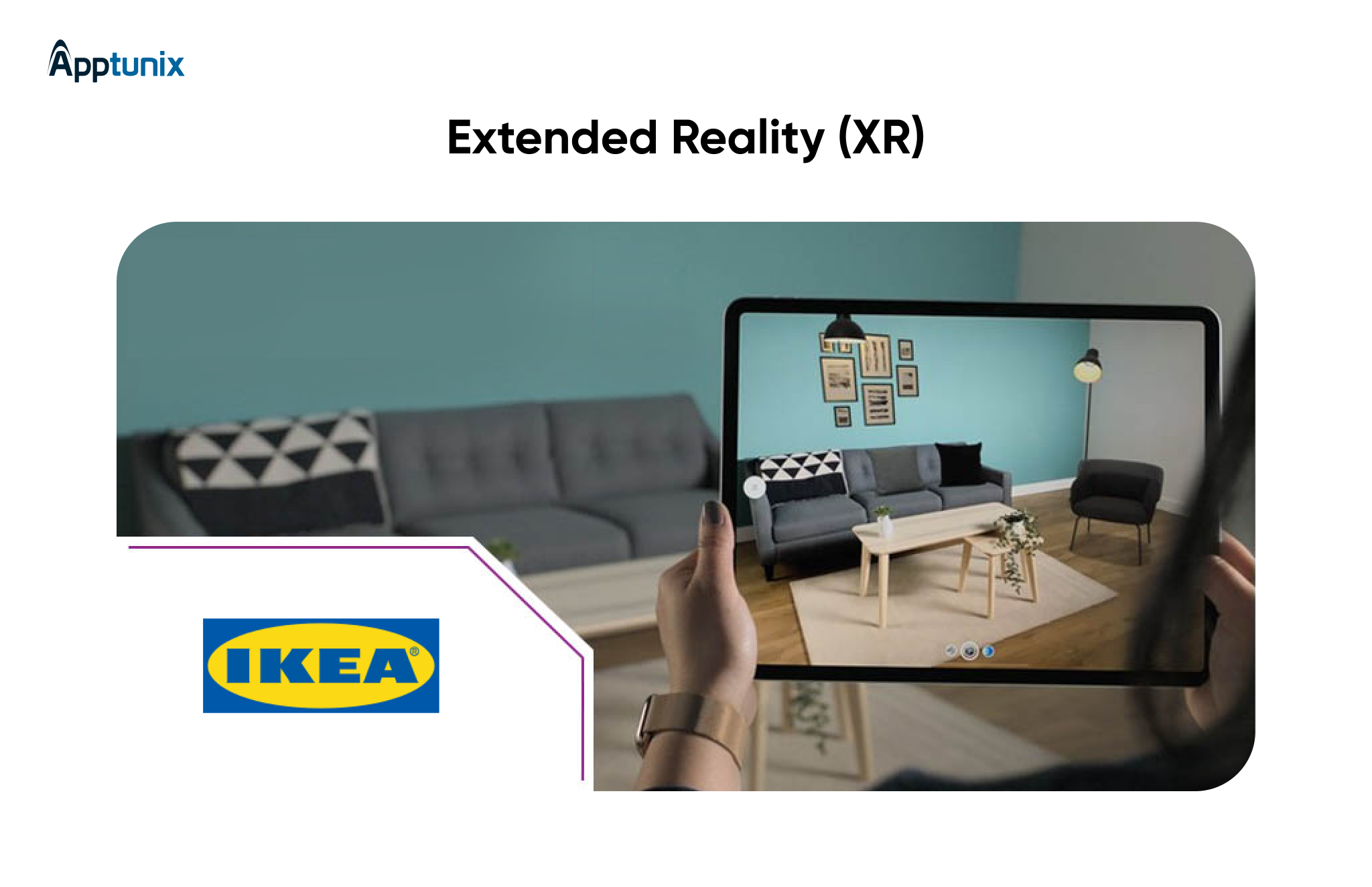
| Augmented Reality (AR) | Allows users to visualize IKEA furniture in their own homes using their smartphone. | Enhances customer confidence in purchase decisions. |
| Real-Time Visualization | Shows how furniture fits and looks in the user’s space before purchase. | Improves user experience and reduces returns. |
| Customer Engagement | Interactive and immersive shopping tool for exploring IKEA’s catalog. | Increases customer satisfaction and drives sales. |
Our team of experts specializes in creating innovative, scalable, and user-friendly apps that leverage cutting-edge technologies like AI, XR, and blockchain to deliver exceptional user experiences.
Whether you want to develop a game-changing app or enhance your existing platform, Apptunix ensures seamless integration and high-performance results.
At Apptunix, we focus on delivering tailored solutions that meet the unique needs of your business. With a proven track record across industries, we empower brands to optimize their digital presence and drive growth.
Let us help you implement the latest mobile app development trends and transform your ideas into impactful, market-leading applications.
Q 1.What are the most important app development trends for 2026?
Key trends for 2026 include AI-powered apps, enhanced security with biometric and blockchain technologies, the rise of augmented reality (AR) and virtual reality (VR) for immersive experiences, and the widespread adoption of 5G for faster app performance. Also, low-code/no-code platforms and cross-platform development will continue gaining traction.
Q 2. How can businesses leverage AI and ML in app development?
Businesses can leverage AI and ML to enhance user experiences by personalizing content, improving predictive analytics, automating tasks, and enabling smarter decision-making. AI-powered chatbots, recommendation engines, and intelligent voice assistants are ways businesses can integrate these technologies into their apps.
Q 3.What industries will benefit the most from AR/VR apps?
Industries like gaming, retail, real estate, education, and healthcare will benefit significantly from AR/VR apps. In retail, AR can help users visualize products in their environment, while VR is transforming training in healthcare and education and offering immersive real estate tours.
Q 4.Are low-code platforms suitable for enterprise-grade apps?
Low-code platforms suit many enterprise-grade applications, especially internal tools, workflows, and rapid prototyping. However, traditional development may still be necessary for highly complex projects that require custom app development in Abu Dhabi, ensuring scalability, security, and full functionality.
Q 5.How will 5G transform app development?
5G will revolutionize app development by enabling faster speeds, lower latency, and enhanced connectivity. This will allow for more data-intensive and real-time applications, such as high-quality video streaming, IoT integration, and immersive AR/VR experiences, all without performance bottlenecks.
Get the weekly updates on the newest brand stories, business models and technology right in your inbox.
With over 20+ years of experience in driving global digital initiatives, Nikhil Bansal is the CEO & Director of Apptunix. He specializes in orchestrating large-scale digital transformations, enterprise-grade software solutions, and high-level business strategies that redefine industry standards. Nikhil is known for his ability to bridge the gap between complex business challenges and innovative technology, helping Fortune 500 companies and startups alike achieve sustainable growth. A visionary leader, he empowers enterprises to navigate the digital landscape with agile, ROI-focused models and future-ready business strategies.
Book your consultation with us.
Book your consultation with us.


One Central, The offices 3, Level 3, DWTC, Sheikh Zayed Road, Dubai
+971 50 782 1690