How to Build an App Like Calendly: Features, Cost & Tech Stack
5 Views 15 min August 3, 2026

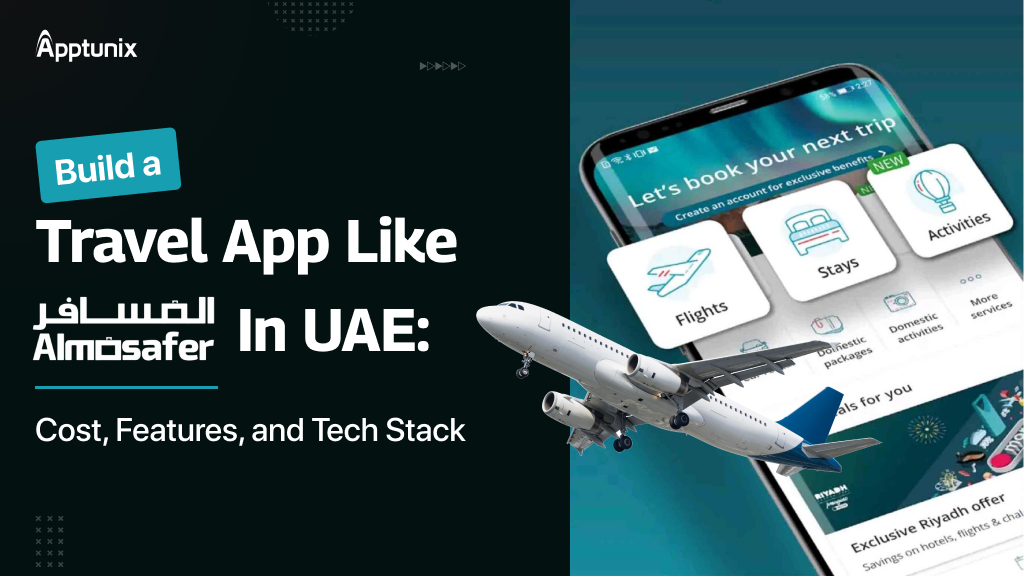
Almosafer succeeds through regional trust, integration depth, and diversified revenue streams.
Travel apps must balance commission, enterprise contracts, add-ons, and sponsored visibility.
Cloning works for speed, but differentiation builds long-term defensibility.
Core features like reliable search, secure payments, and refund transparency are non-negotiable.
Advanced features such as AI recommendations, loyalty systems, and smart rebooking drive retention.
GCC trends favor WhatsApp integration, multi-currency wallets, and super app connectivity.
Scalable architecture, real-time APIs, and cloud infrastructure determine platform survival.
To build a travel app like Almosafer in UAE range from MVP validation to enterprise-grade systems.
Ongoing expenses like API licensing, infrastructure, and compliance shape total ownership cost.
Enterprise travel platforms focus on governance, automation, and financial control.
The right development partner reduces long-term risk and protects operational stability.
Open your phone and count how many things you already manage through apps.
Banking. Food. Taxis. Healthcare. You name it.
Mobile-first users in the UAE value speed, transparency, and confidence. They want to compare options without pressure. They want Arabic and English support inside the same product to manage bookings, changes, and cancellations without calling anyone. Traditional agencies struggle and apps slay here!
Travel was always going to follow the same path. In the UAE, that shift happened faster than most markets expected. Travel app development demand returned strongly after the pandemic, but user behavior did not revert to old habits. People stopped walking into travel agencies.
That gap explains why founders and enterprises are now exploring how to build a travel app like Almosafer that can meet modern expectations without breaking under scale.
Users return because the experience stays consistent. Partners stay because bookings convert. Enterprises stay because systems scale. This is why teams thinking about building a travel booking app must plan beyond features. Business logic is embedded in architecture decisions from day one. An app development company in UAE raises these questions early.
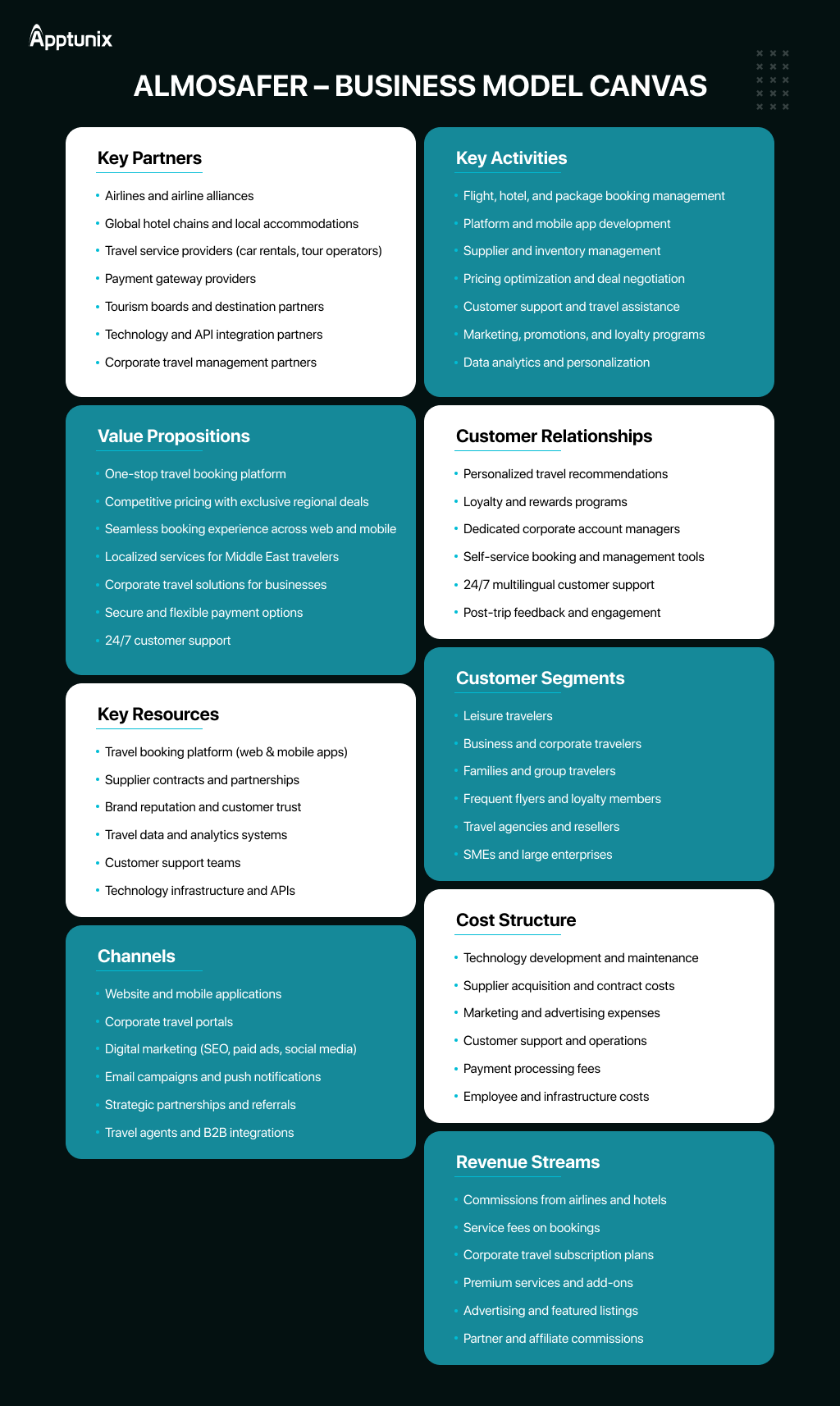
The Almosafer business model works because it spreads risk and scales efficiently. Rather than relying on a single revenue stream, the platform combines multiple sources that reinforce each other.
Airlines and hotels pay commissions for every booking made through the platform. Individually, margins may look small. At scale, they are not.
Controlled markups apply to bundled deals, flexible tickets, and premium services where convenience matters more than price comparison.
Corporate travel is a major growth engine. Businesses pay service and management fees for tools that handle bookings, reporting, and policy control. This is where enterprise travel app development becomes essential.
Insurance providers, visa services, and add-on travel products integrate through APIs. Each integration adds revenue without increasing operational load.
Hotels and travel partners pay for featured placements, especially during peak seasons. These placements convert well because users already trust the platform.
Almosafer did not succeed by copying global travel platforms. It succeeded by understanding the region better than they did.
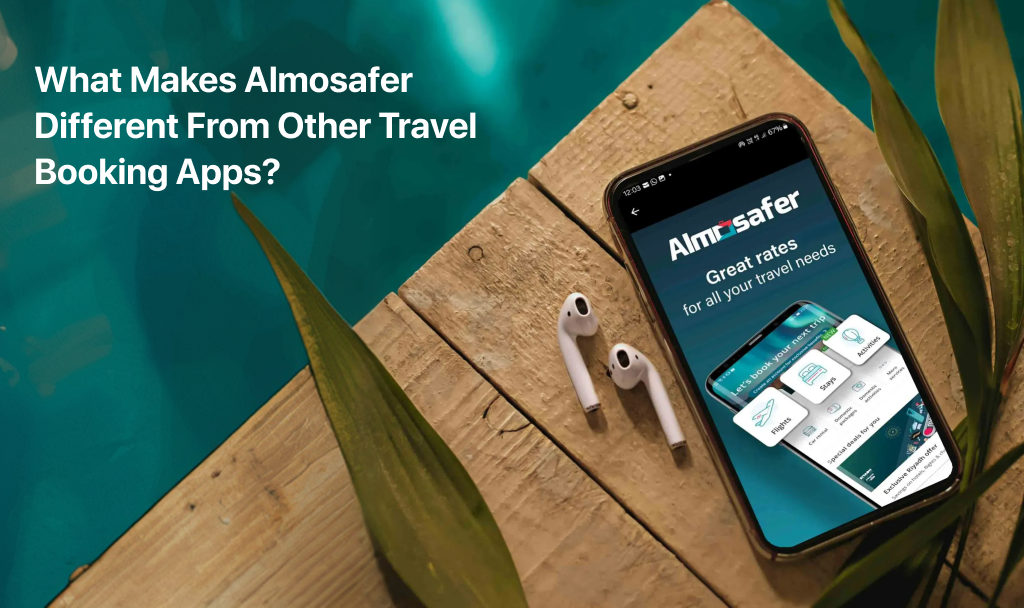
The app began with a clear focus on Saudi and GCC travelers who valued reliability over gimmicks. Early product decisions prioritized local behavior instead of imported UX assumptions. That thinking shows up clearly in the product.
Arabic support is native, not layered on later. Payment options reflect how people actually pay in the region. Customer support understands regional travel seasons and religious travel needs. Almosafer also avoided positioning itself as a discount-first platform. Instead, it focused on trust.
Prices remain consistent from search to checkout. Bookings confirm quickly. Refunds follow defined rules. These details may seem small early on, but they determine whether users return.
Another major advantage is integration depth. Almosafer connects directly with airline systems, hotel aggregators, and regional partners. This reduces booking failures and pricing mismatches, which are common reasons users abandon travel apps.
This is where many teams misunderstand Almosafer clone app development.
Another reason apps win is trust. UAE users are comfortable spending high ticket amounts on mobile when the platform feels reliable. Payments are fast. Refund rules are clear. Support is reachable. When those basics are handled properly, apps outperform agencies every time.
From a business standpoint, this shift also improves margins. Digital platforms reduce operational overhead, unlock new revenue streams, and scale without growing teams at the same pace.

This is usually the first real fork in the road.
Most founders come in saying they want to develop a travel app like Almosafer. What they really mean is they want proof that the model works. And that’s fair. Almosafer removed a lot of uncertainty from the market.
An Almosafer clone app makes sense if your goal is speed to market. You already know users want flights, hotels, local payments, and strong support. It’s not about guessing demand, you are executing on a proven structure.
When teams focus only on cloning, they often end up recreating the surface but missing the depth. Screens look familiar. Workflows don’t. That gap shows up later when bookings fail, refunds get messy, or partners push back.
Building something new allows you to focus on a niche. Corporate travel. Religious travel. Budget-first users. Luxury travelers. Each path has different product priorities and revenue logic. This is where custom travel app development in UAE creates real leverage.
If you choose differentiation, you need sharper product thinking early. You need to be clear about who you are not building for. That is harder than copying what already exists.
Start with the core structure that already works in the region. Then layer differentiation where it matters most to your target users. Any experienced transportation app development company will push you to make this decision early.
Before discussing advanced ideas, let’s clarify a few things. If your core product fails, nothing else matters. Every experienced travel booking app development in UAE starts with a foundation that users trust. These are not optional features. They are table stakes.
These blocks may look simple on paper, but execution is hard. This is where your choice of Dubai travel app developers makes a real difference. Experience here prevents expensive rework later.
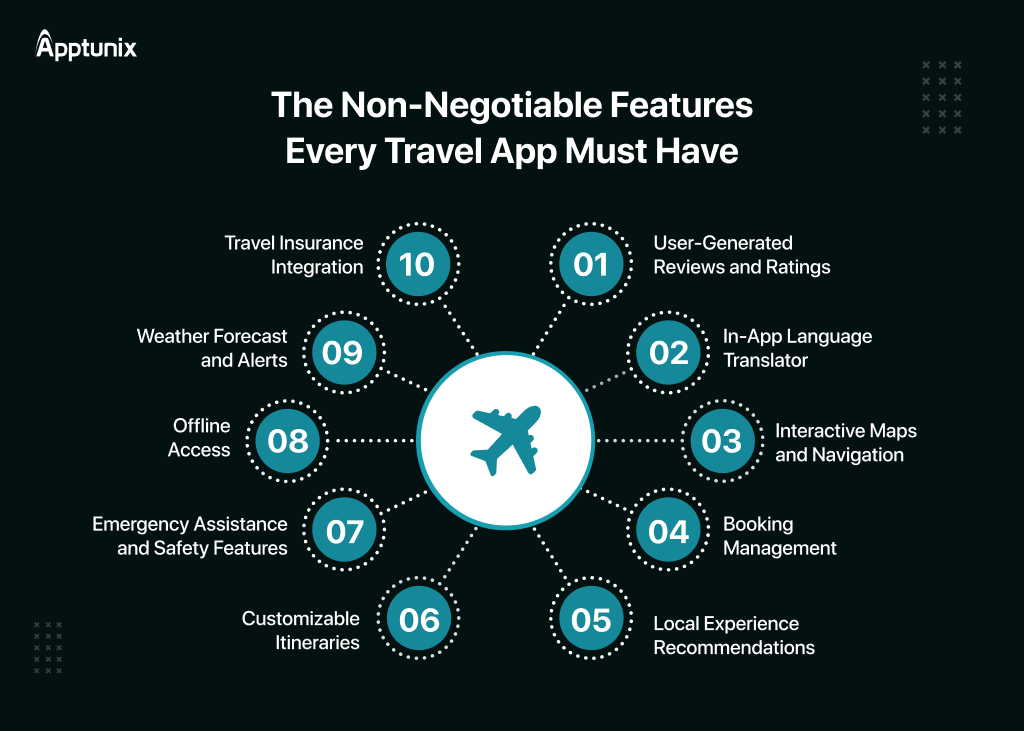
1.Flight and Hotel Search That Users TrustSearch needs to be fast and accurate. Prices should not change at checkout. Availability should match reality. This is where many on-demand travel app in UAE cost overruns happen because teams underestimate integration complexity.
2.Clear Filters and ComparisonsUsers need control. Airline preference. Price range. Layovers. Cancellation rules. Hotels need filters that make sense locally, not generic global defaults.
3.Secure Payments With Local OptionsCards, wallets, and regional payment methods. Payments must feel familiar. This directly affects conversion rates and repeat usage.
4.Booking Management That Actually Helps UsersView bookings. Modify details. Cancel when allowed. Track refunds. A booking that cannot be managed easily becomes a support problem fast.
5.Wallet and Refund VisibilityRefunds are where trust is tested. Users should see status updates without calling support. Clear timelines reduce frustration and churn.
6.Booking History and ReceiptsThis matters more than most teams think, especially for business travelers. Past bookings, invoices, and downloadable receipts should be easy to access.
Once the foundation is stable, advanced features start to matter. This is where average apps stall and strong platforms pull ahead.
This is where the cost to build a travel app like Almosafer in UAE starts to scale. Advanced features require stronger architecture, better integrations, and ongoing refinement. Teams that plan these capabilities early avoid painful rebuilds later. Teams that don’t often hit limits just as growth begins.
1.Smart Recommendations That Feel UsefulAI trip planner recommendations only work when they respect context. Suggesting relevant flights, hotels, or upgrades based on real behavior improves conversion. Random suggestions hurt trust.
2.Dynamic Pricing and Price AlertsUsers expect transparency. Price drop alerts and fare tracking keep them engaged even when they are not ready to book. This drives return visits without paid marketing.
3.Loyalty and Reward SystemsPoints, tiered benefits, and exclusive offers create habit. These systems work best when tied directly to booking behavior, not gimmicks.
4.Personalized Travel ProfilesSaved preferences. Seat choices. Meal types. Payment methods. Small details reduce friction and make repeat bookings faster.
5.Smart Rebooking and Disruption HandlingFlight delays and cancellations happen. Apps that help users rebook quickly earn long-term loyalty. This requires deeper airline integrations and a well-planned travel app tech stack.
6.AI-Based Itinerary PlanningFor multi-city trips or long stays, itinerary planning adds real value. When done well, it reduces decision fatigue and increases average booking value.
Travel apps in the GCC are judged very quickly. Users open the app, try a search, and decide within minutes whether it fits into their daily habits. What drives downloads today is not novelty. It is familiarity and effort reduction.
A.Super App Integration Is Changing User ExpectationsMany users already spend most of their digital time inside a small number of apps. Payments, messaging, food, and services are bundled together.
Travel apps that connect into this ecosystem feel easier to use because users do not feel like they are starting something new. Booking travel becomes just another task, not a separate journey.
For founders planning to build a travel app like Almosafer, this trend matters. The goal is not to replace super apps, but to integrate smoothly where users already are.
B.WhatsApp as a Booking and Support ChannelIn the GCC, WhatsApp is not optional. It is how people confirm, ask questions, and resolve issues.
Travel apps that send booking confirmations, flight updates, and refund notifications through WhatsApp reduce anxiety. Users do not have to search emails or log back into the app repeatedly.
Support also becomes faster. A short message often replaces a long call. This lowers support costs and improves satisfaction simultaneously.
C.Voice Search for Simple Travel QueriesUsers check flight timings, booking status, or nearby hotels while driving or multitasking. Voice input removes friction in these moments. When implemented carefully, it supports accessibility and convenience without complicating the app.
D.Multi-Currency Wallets and Flexible Payment OptionsTravel involves multiple currencies, refunds, and partial payments. Users want clarity. Wallets that store balances, show refunds, and handle currency conversion reduce confusion. They also make repeat bookings easier because users already have funds inside the system.
This is especially important for business travelers and frequent flyers. These features are becoming baseline expectations to build a travel app like Almosafer. Apps that ignore them quickly feel outdated.

A travel app is not just a user interface. It is a system that reacts to real-time events. Prices change. Seats sell out. Payments fail. Flights get canceled. Your technology stack needs to handle all of that without breaking.
A.Frontend Focused on Speed and Clarity.Users should never wait for search results or struggle to understand options. Interfaces must load quickly and stay responsive, even during peak traffic.
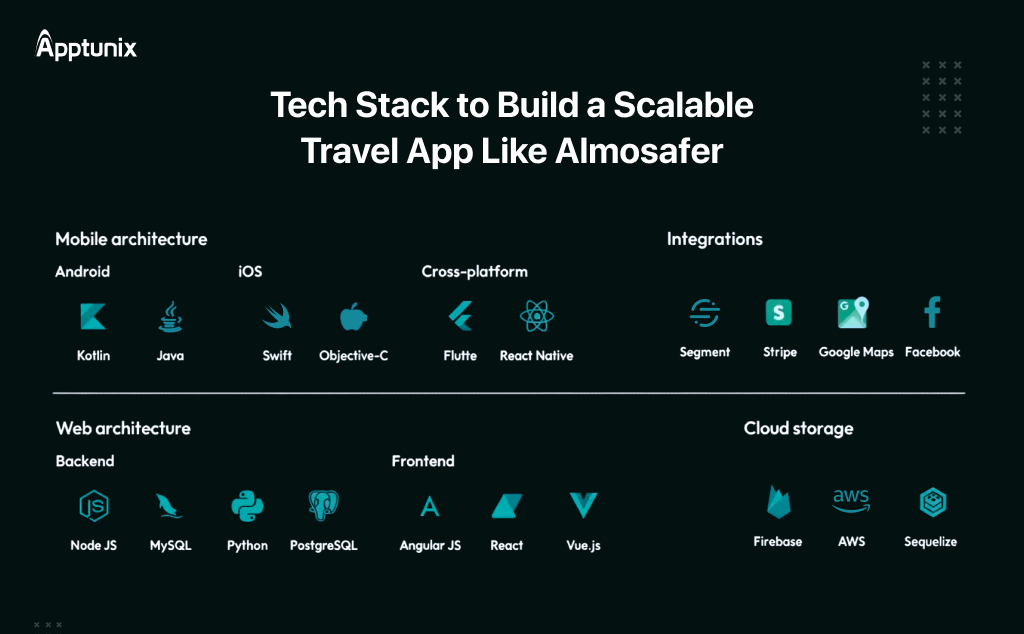
B.Backend Built for Real-Time OperationsThe backend processes searches, bookings, cancellations, refunds, and user data. It must handle thousands of simultaneous requests without slowing down. This is where many early travel apps fail because they underestimate traffic spikes.
Choosing the right backend architecture early reduces future rebuilds and controls the cost to build a travel app in UAE over time.
C.Cloud Infrastructure That Adapts to DemandTravel traffic is seasonal. Holidays, festivals, and global events drive sudden spikes. Cloud infrastructure allows platforms to scale up during high demand and scale down when traffic slows. This keeps costs predictable.
D.Databases That Prioritize Accuracy and SpeedBooking data must be accurate at all times. Double bookings, missing records, or slow queries quickly damage trust. Databases should be chosen for reliability and performance, not convenience.
E.Payment and Security SystemsPayments are the most sensitive part of the platform. Security standards, fraud checks, and compliance requirements must be built in from the start. Retrofitting security later is expensive and risky. Any travel app development company in UAE will insist on getting this right early.
F.Third-Party APIs Required Providers like Amadeus, Sabre, and Travelport supply real-time flight data. They handle availability, pricing, and booking confirmations. These APIs charge based on usage. Poor planning can increase costs quickly as traffic grows.
Hotel APIs provide inventory, pricing, images, and cancellation rules. Coverage quality varies by region. Choosing the right mix of providers ensures availability without overwhelming the system.
Maps support hotel discovery, airport navigation, and nearby experiences. Users expect accuracy without thinking about the technology behind it.
Push notifications, SMS, and WhatsApp integrations keep users informed at the right moments. Too many messages create noise. Too few create confusion.
Cost is not just about development hours. It is about how far you want the product to go and how much pressure it needs to handle once users arrive. A realistic view upfront prevents painful course corrections later.
An MVP focuses on validation, not scale. The goal here is to confirm demand and user behavior. This is where many founders start before deciding whether to build a travel app like Almosafer at full scale.
This stage includes:
This stage is about growth and retention. API usage increases at this level, which is why AI in travel app development costs in UAE often grows faster than expected here.
It usually adds:
Enterprise platforms are built for long-term contracts, not one-time bookings. This is where enterprise travel app development shifts from features to reliability, compliance, and scale. They include:
Development is only part of the picture. Operating a travel app comes with ongoing expenses.
Teams exploring how to make a travel booking app should plan for the total ownership cost.
That means:
Choosing the right development partner early reduces long-term risk. Many successful platforms hire Android & iOS app developers in UAE who understand travel systems, integrations, and scale from experience.
Founders usually ask about cost first. Timeline comes right after. And both questions are connected.
When teams decide to build a travel app like Almosafer, they often underestimate how much planning goes into development before it even starts. The timeline is not driven by how fast developers code. It is driven by how clear the product vision is.
This is where experienced teams slow down on purpose. Product goals, target users, booking flows, and revenue logic are locked here. Teams decide whether they are building an Almosafer clone app or shaping something more focused for a specific travel segment.
Skipping this phase usually means rewriting core logic later. That costs more time than it saves. A clear discovery phase is often the difference between a smooth launch and months of delays.
Once the scope is clear, development moves fast. This stage focuses on essential booking flows, payment handling, confirmations, and admin controls. The goal is to prove that the platform works under real conditions.
This is the point at which building a travel app like Almosafer stops being theoretical and starts facing real user behavior, real APIs, and real failures. Strong teams resist the urge to overbuild here.
Before public release, controlled user testing is critical. Pricing mismatches, failed bookings, refund delays, and support gaps show up here. These are not edge cases. They are daily travel scenarios.
Platforms that skip or rush this phase usually pay for it in bad reviews and lost trust.
The public launch is when real feedback begins. User drop-offs, API performance, and booking success rates are tracked closely. Quick fixes happen in the first few weeks to stabilize the platform.
For most teams, a clean MVP launch takes a few months. Enterprise platforms take longer, but they avoid operational chaos later.
Speed matters. Stability matters more.
Most travel apps are designed for individuals planning a trip. Enterprise travel apps exist for a very different reason. They protect company money, reduce chaos, and make business travel predictable at scale. That changes everything, from features to architecture.
In corporate travel, bookings are not isolated actions. They are financial events. Every flight, hotel, change, and refund needs to be tracked automatically. When expense capture is delayed, finance teams lose visibility and employees waste hours filing reports.
Enterprise travel platforms solve this by tying expenses directly to bookings. Data flows cleanly from the app into finance systems without manual intervention.
Companies do not want to approve every trip. They want to prevent bad decisions before they happen. Enterprise travel apps enforce rules quietly in the background. Airline preferences, hotel caps, travel class limits, and booking timelines guide employees without interrupting their workflow. The best platforms make policy compliance feel invisible.
As teams grow, approval processes break down first. Enterprise platforms replace emails with structured approval flows. Managers see only what needs attention. Decisions happen in minutes, not days.
This becomes critical when companies operate across regions and time zones.
For enterprises, travel data is not just history. It is leverage. Spend trends, vendor performance, seasonal demand, and policy violations all surface through dashboards. Leadership teams use this data to renegotiate rates and plan future travel spend with confidence.
This level of insight is why enterprise travel app development is fundamentally different from consumer apps.
Corporate travel platforms do not live in isolation. They integrate with HR tools, accounting software, and internal reporting systems. These connections keep records accurate and reduce operational friction.
This is why serious travel booking app development in UAE requires thinking beyond user interfaces.
Bookings bring users. Smart monetization builds long-term revenue. Successful platforms do not rely on one income stream. They layer revenue without hurting trust.
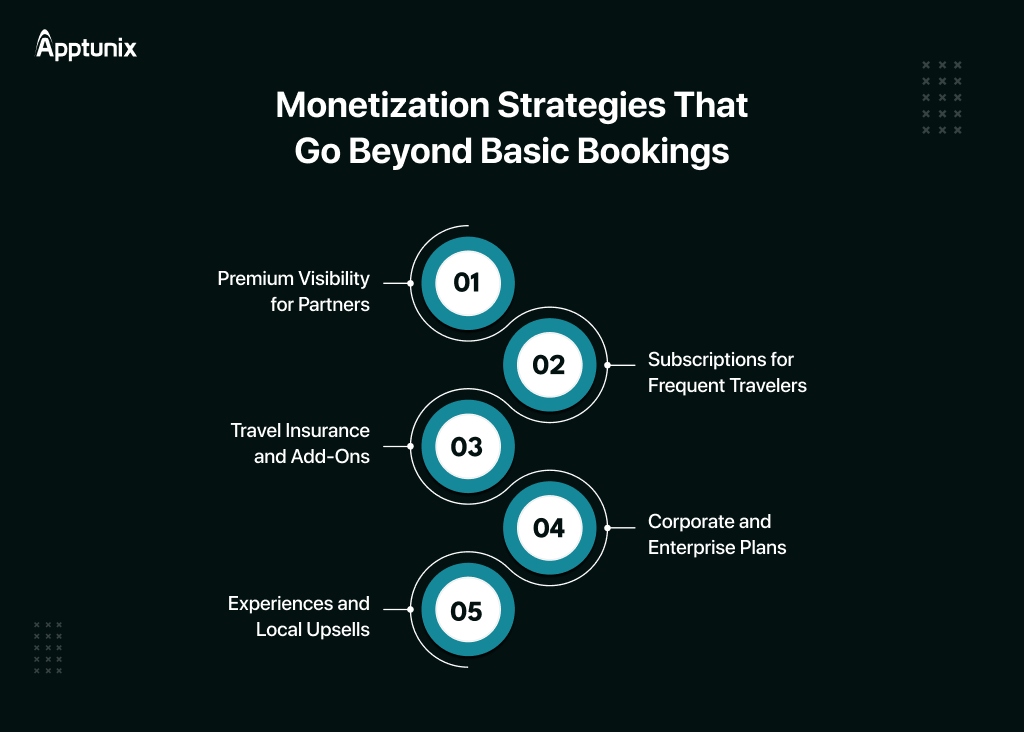
1. Premium Visibility for PartnersHotels and airlines pay for featured placements during high-demand periods. These listings convert because users already trust the platform.
2. Subscriptions for Frequent TravelersFrequent users pay for benefits like exclusive deals, faster refunds, or loyalty perks. Subscriptions create predictable revenue without increasing bookings volume.
3. Travel Insurance and Add-OnsInsurance, seat upgrades, baggage, and flexible tickets add value for users while increasing margins. These work best when offered at the right moment rather than pushed aggressively.
4. Corporate and Enterprise PlansEnterprise travel app development opens stable revenue streams through management fees, dashboards, and policy tools. Businesses value control and are willing to pay for it.
5. Experiences and Local UpsellsTours, activities, and experiences extend monetization beyond flights and hotels. These upsells work best when tailored to the destination and trip purpose.
A serious travel app development company in Dubai, UAE does more than just build screens. It understands how airline and hotel APIs behave under heavy traffic and plans for challenges like payment failures and refund delays. The focus is on designing stable, scalable systems that perform reliably — even during peak travel seasons.
As a trusted mobile app development company in Dubai, Apptunix addresses these real-world complexities from the start. This proactive approach reduces rework, protects timelines, and ensures long-term performance.
Speed matters in travel. Shortcuts do not. Many teams rush to launch and discover too late that pricing breaks, APIs fail, or support workflows cannot keep up. Apptunix approaches travel platforms with a different mindset. The goal is to move fast without creating problems that surface six months later.
Travel app builds fail when ownership is unclear.
Apptunix assigns dedicated product managers, backend specialists, mobile iOS & Android appdevelopers, and QA engineers from day one. Communication stays direct. Decisions are documented. Progress is visible. This structure keeps development moving without chaos.
Launching is only the beginning. Post-launch monitoring, performance tuning, and feature adjustments are part of the delivery plan. As usage grows, systems are optimized instead of patched.
This is how teams build confidence while scaling.
Not all UAE-based Android & iOS app developers understand travel. Building booking logic, handling cancellations, and managing refunds requires domain experience. Apptunix teams have worked inside complex travel ecosystems where reliability was non-negotiable.
That experience matters when real users start booking.
Travel platforms are unforgiving. Prices change. Seats disappear. Payments fail. Users notice everything. Here’s how we build a travel app like Almosafer-
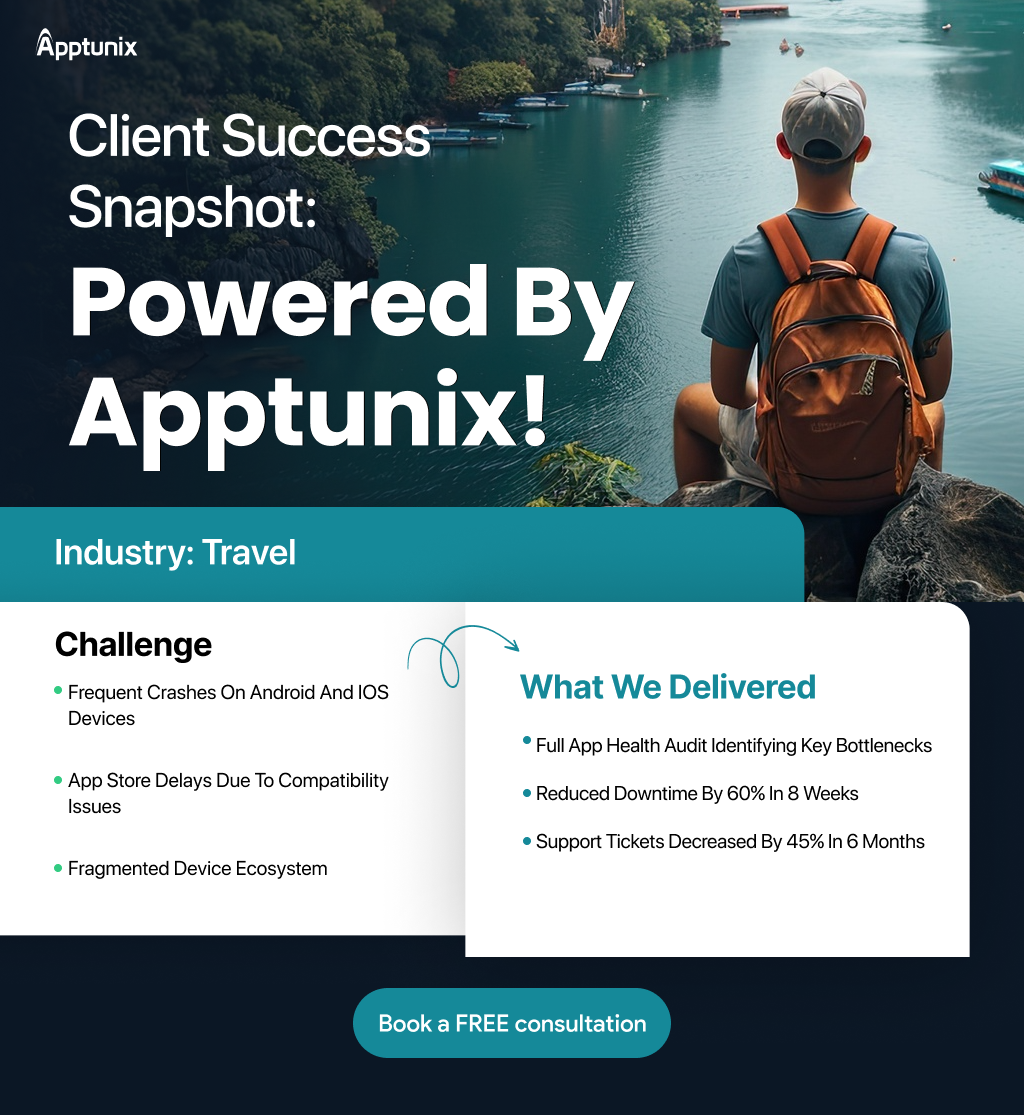
Before design or development, Apptunix focuses on how the platform makes money, how users move through it, and where it might break under pressure.
Whether the goal is fast market entry or long-term scale, the product is shaped around real-world usage rather than assumptions. This approach matters most for teams considering custom travel app development UAE instead of cloning surface-level features.
Good travel UX is not flashy. It is calm. Apptunix designs flows that help users move forward without second-guessing. Search results are easy to compare. Prices stay consistent. Actions feel predictable.
When users feel confident, conversions follow.
Travel demand spikes without warning. Apptunix selects the travel app tech stack based on expected load, third-party API limits, and seasonal surges. Systems are designed to absorb traffic, not collapse under it. This planning prevents emergency fixes after launch.
Flights fail. Payments timeout. Refunds take time.
Apptunix teams have handled these scenarios before. That experience shapes how systems are built, monitored, and improved over time. It is the difference between an app that works in demos and one that survives real usage.
Launching a travel app is the beginning, not the milestone. Apptunix stays involved through performance tuning, feature expansion, and system optimization. Platforms evolve as the business grows. That is why companies looking for a UAE travel app development company often choose partners who think like operators.
The opportunity is real. So are the challenges.
Travel demand in the UAE continues to grow. Users are comfortable booking high-value trips on mobile. Enterprises want better control over travel spend.
To build a travel app like Almosafer that lasts requires clarity. If the goal is a quick clone, the market will punish it. If the goal is to build a reliable product with a clear business model, the upside is significant. Teams that succeed understand the full picture. Product strategy. Travel booking mobile app features. Long-term cost of ownership. The true travel app development cost in UAE is not just about launch. It is about sustainability.
If you are exploring how to make a travel booking app and want honest input before investing, a strategy conversation helps clarify next steps.
The right questions, asked early, save months later. And in travel, getting it right once is always cheaper than fixing it twice.

Q 1.How much does it cost to build a travel app in UAE?
Depends on complexity. MVP apps start around $12,ooo–$25,000, advanced or enterprise travel app development can exceed $50k.
Q 2.How long does it take to develop a travel app like Almosafer?
MVP launch usually 3–6 weeks; enterprise platforms take longer due to complex workflows and integrations.
Q 3.What are the must-have travel booking mobile app features?
Flight/hotel search, bookings, payments, notifications, loyalty programs, price alerts, and multi-currency support.
Q 4.Can I create an Almosafer clone app?
Yes, but true success requires reliable APIs, enterprise workflows, and strong UX, not just interface replication.
Q 5.How do I hire app developers in UAE for a travel platform?
Look for experience in travel API integrations, enterprise travel app development, and scalable platforms.
Q 6.Which tech stack is recommended for a scalable travel app?
Frontend: React Native/Flutter. Backend: Node.js/Python. Cloud hosting, real-time databases, payment gateways, maps, and analytics.
Q 7.How can Apptunix help build a travel app faster?
We combine strategy, UX-first design, and experienced teams for reliable enterprise travel app development and post-launch support.
Q 8.Why choose Apptunix for complex travel app development?
Expertise in Almosafer clone app development, corporate travel workflows, and high-volume booking reliability.
Q 9.Does Apptunix provide post-launch support for travel apps?
Yes. Ongoing maintenance, performance optimization, and feature expansion ensure stability and scalability.
(1 ratings, average: 5.00 out of 5)
Get the weekly updates on the newest brand stories, business models and technology right in your inbox.
Book your consultation with us.
Book your consultation with us.


One Central, The offices 3, Level 3, DWTC, Sheikh Zayed Road, Dubai
+971 50 782 1690


Offer Ends Soon
Get a quick expert response in under 5 minutes.