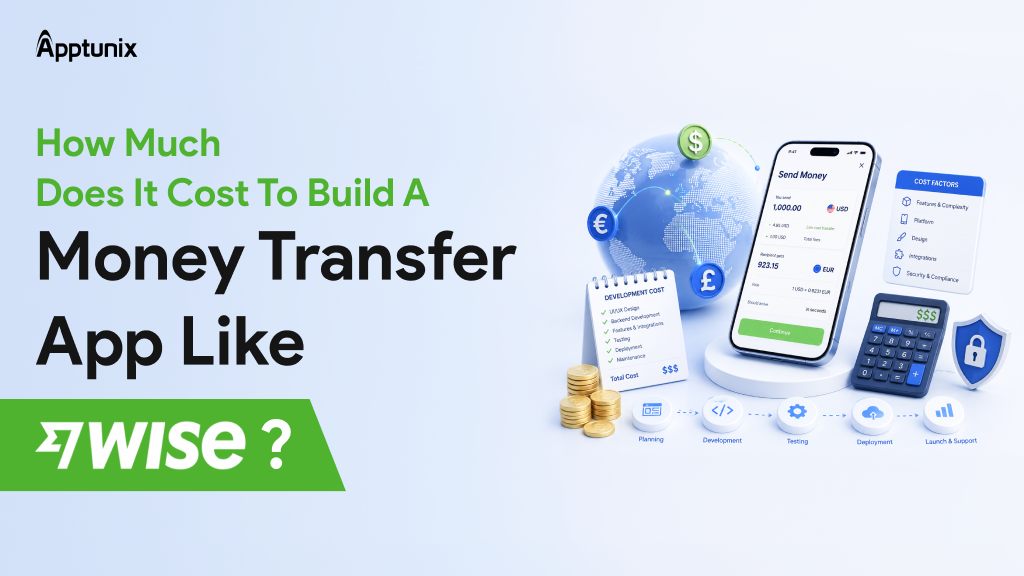
How Much Does It Cost to Build a Money Transfer App Like Wise?
36 Views 15 min August 25, 2026

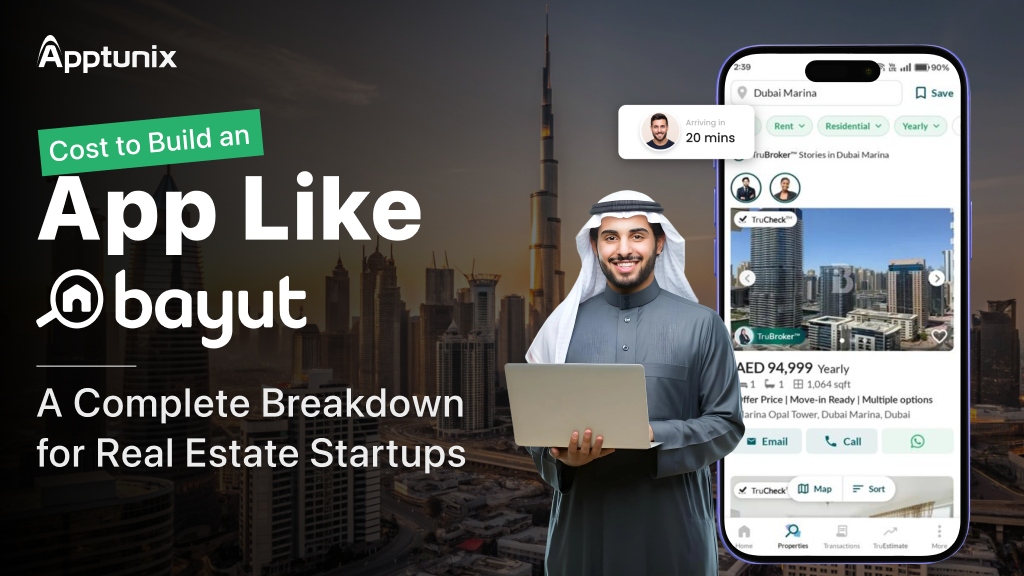
The UAE real estate market has quietly changed its habits. Most people no longer start their property search by calling an agent or visiting an office. They start on their phone. More than 73% of buyers and renters now discover properties through mobile apps, scrolling listings while commuting, during lunch breaks, or late at night.
Buyers want instant access to listings and prices. Sellers expect faster responses and better visibility. Agents need smarter ways to manage inquiries, follow up with leads, and close deals without juggling spreadsheets or phone calls.
Bayut saw this shift early. By delivering a clean mobile experience for property search, comparisons, and agent communication, it changed how people interact with real estate in the region. Its growth proves a simple truth. When a property app is built the right way, it doesn’t just list homes. It becomes the main engine of the business.
For startups, this creates a clear opening. If you’re planning to build an app like Bayut, mapping out a realistic roadmap is where everything begins. This guide breaks down what it actually takes, from MVP planning to full-scale real estate marketplace app development, so that you can move forward with clarity.
Real estate didn’t suddenly go mobile. It drifted there as user behaviour changed. People got used to booking cabs, ordering food, and managing finances through apps. Property search was next.
In the UAE and across the Middle East, mobile-first platforms have become the default. Buyers expect to filter listings in seconds. Agents expect leads to arrive instantly. And platforms that don’t prioritise mobile struggle to stay relevant.
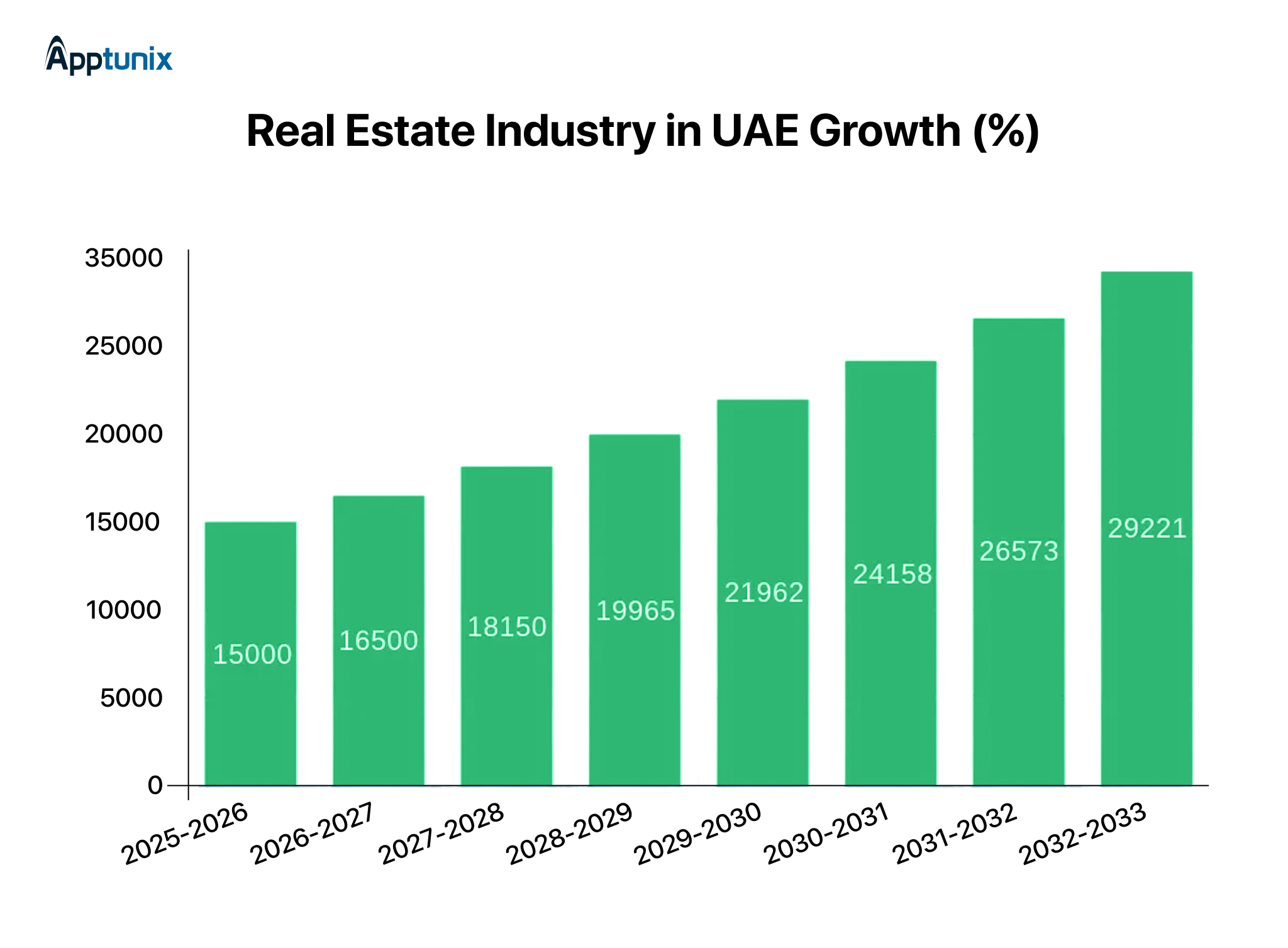
Here’s what the shift looks like in real numbers:
Platforms like Bayut, Property Finder, and Dubizzle didn’t grow by accident. They focused on speed, usability, and trust. Bayut alone attracts millions of active users each month by removing friction from the property search process.
Many founders in the region point to the launch of their mobile app as the moment their business truly scaled. Once users could search, inquire, and connect without delays, growth followed naturally.
The takeaway is straightforward. Real estate is no longer offline-first with a digital add-on. It is digital at its core. Startups that develop a real estate app like Bayut today are setting themselves up to compete where the market is actually moving, not where it used to be.
The property journey has changed from start to finish. People no longer flip through printed listings or wait for callbacks. They expect answers now. They want to see prices, photos, locations, and agent details without leaving their phone. For startups, this shift levels the playing field. A strong app can compete with established names if it delivers value quickly and consistently.
Here’s why building a Bayut-like property app makes business sense:
In the UAE, more than three out of four property searches happen on mobile. Users don’t just glance at listings. They spend real time comparing options, saving properties, and reaching out to agents before making a move.
A commercial property app gives startups visibility into what users actually want. You can see which listings attract attention, which locations perform best, and where users drop off. That insight helps refine listings, pricing, and marketing instead of relying on assumptions.
A well-built app connects buyers, sellers, and agents in a single system. Buyers get clarity and convenience. Sellers gain reach. Agents manage leads, schedule visits, and follow up without chasing messages across channels.
Property apps are not limited to lead generation. Premium listings, agent subscriptions, featured placements, and targeted ads create recurring revenue streams. As usage grows, income grows with it.
Launching a mobile-first property platform sends a clear signal. It shows the business is serious, modern, and built for scale. For startups, this credibility matters when attracting users, agents, and partners.
At this stage, the question isn’t whether real estate needs mobile platforms. The market has already answered that question. The real decision is whether your startup will build one that people actually want to use.
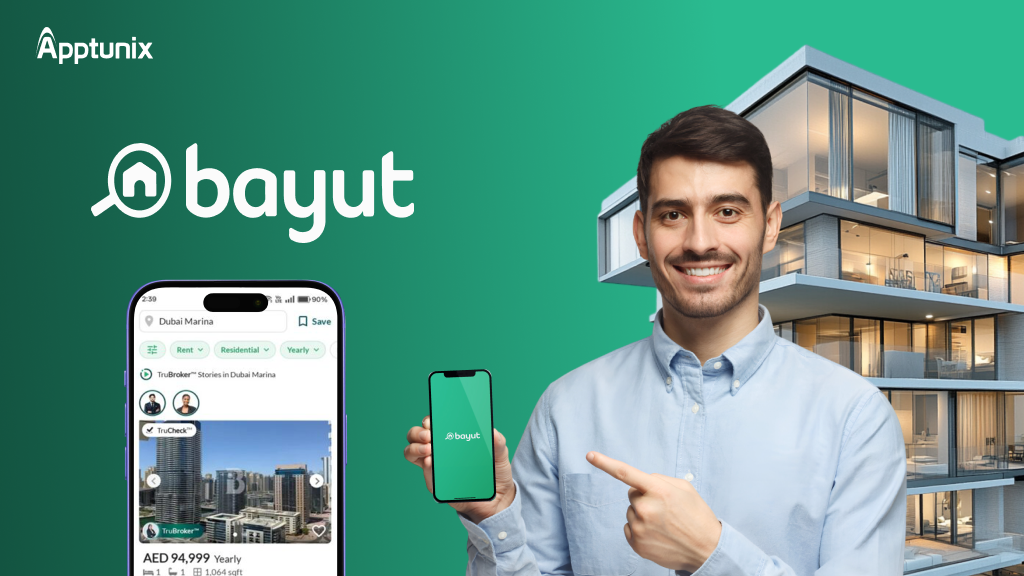
Bayut started in 2008 as a simple property portal in the UAE, founded by a team that wanted to solve a common problem: the difficulty of finding reliable property information online. From the beginning, their focus was clear- to make property search transparent, simple, and mobile-friendly.
Over the years, Bayut transformed from a basic listings site into a full-featured property platform. Today, it offers a range of functionalities that have made it a market leader:
Bayut’s journey shows a clear roadmap for startups: start with a focused, user-friendly platform, expand features based on user behaviour, and implement monetisation strategies strategically. For any startup planning to develop a real estate app like Bayut, understanding this model provides a blueprint for both user engagement and revenue growth.
Building a Bayut-like property app is about giving users an experience that feels intuitive, reliable, and fast. When startups plan real estate marketplace app development focusing on the right set of features ensures the app attracts users and keeps them engaged.
Here’s a breakdown of the features that matter most:
A. User FeaturesThe success of any property platform depends on the experience it offers to buyers and renters. These are the features that make the app usable, efficient, and engaging:
Implementing these features carefully ensures your property listing app development meets user expectations and drives engagement.
B. Agent and Admin FeaturesFor the app to function as a marketplace, agents and admins need tools to manage listings, track performance, and monetize efficiently:
C. Advanced Features Including these features strategically during development can optimize real estate app development cost by focusing on essentials first and adding advanced options as the app scales. Once the basic functionality is in place, advanced features can differentiate your app from competitors and improve ROI:
Understanding the cost to build an app like Bayut starts with knowing what drives the budget. Not all apps are created equal, and even small differences in features or design can have a major impact. Each of these factors influences not only the upfront investment but also the long-term value and scalability of your app. Here are the key factors that influence development cost:
If you’re looking to build a Bayut-like property app, one of the first questions is always: how much will it cost to develop a real estate app? Understanding the breakdown helps startups plan budgets, prioritize features, and make strategic development decisions.
Here’s a simplified cost comparison table for clarity:
An MVP focuses on core functionality that allows you to enter the market quickly and validate your idea without over-investing. Typical features in this stage include:
The real estate app MVP development cost depends on complexity and platform choice, but typically ranges between $15,000 and $30,000. This approach lets startups test user engagement, gather feedback, and refine their platform before investing in more advanced features.
Once the MVP proves successful, scaling to a full-featured app enhances user experience and engagement. This stage includes:
Adding these features significantly increases both development time and cost. Startups can expect full-featured Bayut clone app development to range between $65,000 and $120,000, depending on the number of platforms and complexity of features.
A property app is about how it looks, performs, and integrates with other systems. Key cost drivers include:
Recommended Read: Mobile App Development Cost in Abu Dhabi
Building a Bayut clone app is not just about writing code. It’s a carefully staged process where every step matters. The timeline varies depending on whether you aim for an MVP or a full-featured IoT app, but understanding each phase helps you plan resources, budget, and strategy more effectively.
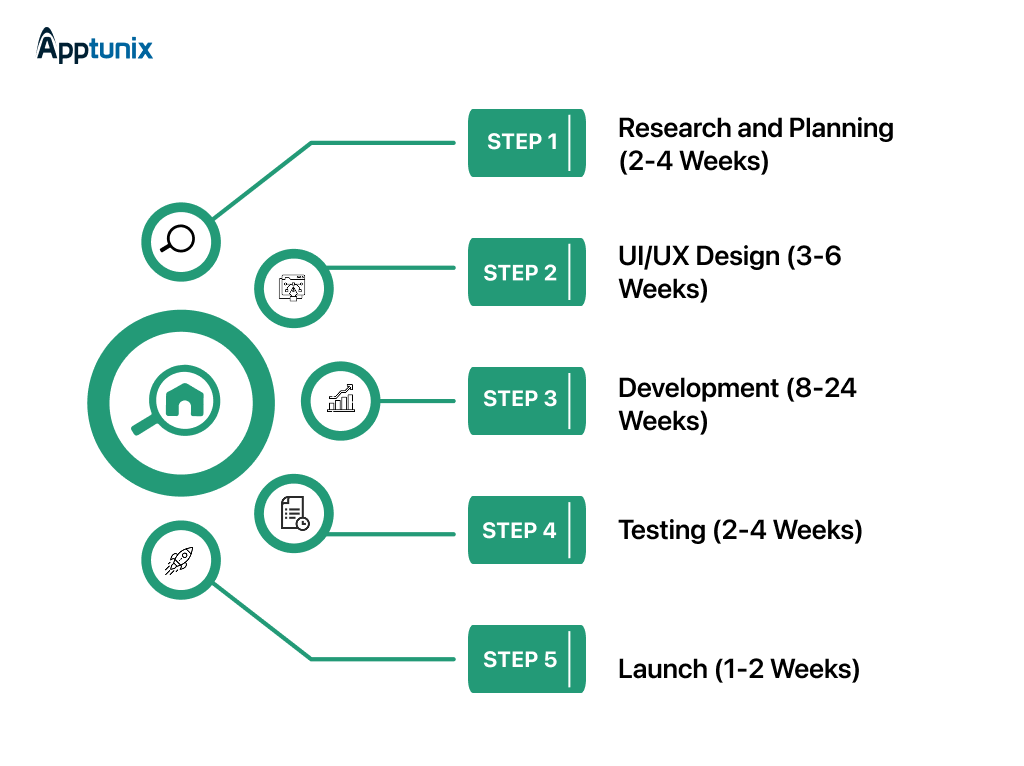
Phase 1: Research and Planning (2-4 Weeks)Before a single line of code is written, startups need a clear roadmap. This stage involves:
Phase 2: UI/UX Design (3-6 Weeks)Design is more than aesthetics—it directly affects engagement and user retention. High-quality UI/UX design is essential when you build an app like Bayut, where users expect easy navigation and clear, visually appealing property listings. In this phase:
Phase 3: Development (8-24 Weeks)This is the core of the process, where the app comes to life:
An MVP with core features typically takes 8-12 weeks, while a full-featured app with advanced tools like AI recommendations, virtual tours, and chatbots may take 16-24 weeks. Working with a real estate app development company or experienced developers helps keep timelines realistic and efficient.
Phase 4:Testing (2-4 Weeks)This phase is essential for avoiding poor reviews or user dissatisfaction after launch. Testing is crucial to ensure your app functions correctly and delivers a smooth experience:
Phase 5: Launch (1-2 Weeks)Launching strategically ensures your app not only reaches the audience but also converts visitors into active users. Deployment is the final step:

The technology you choose sets the foundation for performance, scalability, and user experience. If you want to build an app like Bayut that can handle thousands of listings, multiple users, and real-time interactions, the right stack is essential.
With this stack, your property app development services are built to scale and perform seamlessly. Partnering with a custom real estate app development company to hire real estate app developers familiar with these tools ensures faster development and fewer post-launch issues. Here’s what works best:
These technologies control what users see and interact with:
The backend powers your app’s core functionality and database management:
A strong backend requires secure and scalable data handling:
These add essential functionality without reinventing the wheel:
Turning your app into a profitable venture is as important as building it. Here are the most effective ways to monetize your real estate marketplace app development:
1- Subscription Plans for AgentsOffer monthly or yearly subscriptions for agents to post properties, access analytics, or unlock premium features. Predictable recurring revenue comes from agents who actively list and engage.
2- Featured and Premium ListingsAllow sellers to promote their properties for better visibility. Featured listings attract more inquiries and faster conversions, giving users tangible value.
3- Advertising and PartnershipsCollaborate with banks, mortgage providers, interior designers, or moving services. Sponsored content or in-app advertising adds a steady revenue stream without disrupting user experience.
4- Lead Generation & Analytics ServicesCharge agents for high-quality, verified leads. Providing insights into user behavior, popular listings, and search trends adds value and increases conversion rates.
5- Commission on Completed TransactionsTake a small percentage when a property deal closes through your app. This aligns revenue with app performance and builds trust with users.
6- Value-Added ServicesOffer add-ons like virtual staging, property valuations, legal document support, or premium marketing services. These services enhance the user experience while opening additional income channels.
When you plan to build an app like Bayut, execution is just as important as the idea itself. Having a strong concept is one thing, but turning it into a scalable, high-performing property platform like Fundrise requires experience, strategy, and technical expertise. This is where Apptunix excels.
Apptunix is a custom real estate app development company with over 12 years of experience delivering digital solutions that help startups and enterprises thrive. We don’t just build apps; we design platforms that simplify property management, enhance user engagement, and generate real revenue.
We specialize in creating platforms where buyers, sellers, and agents can connect seamlessly. Our property listing app development service delivers apps with advanced search, interactive maps, and lead management features. Cross-platform mobile solutions ensure your app works flawlessly on iOS and Android.
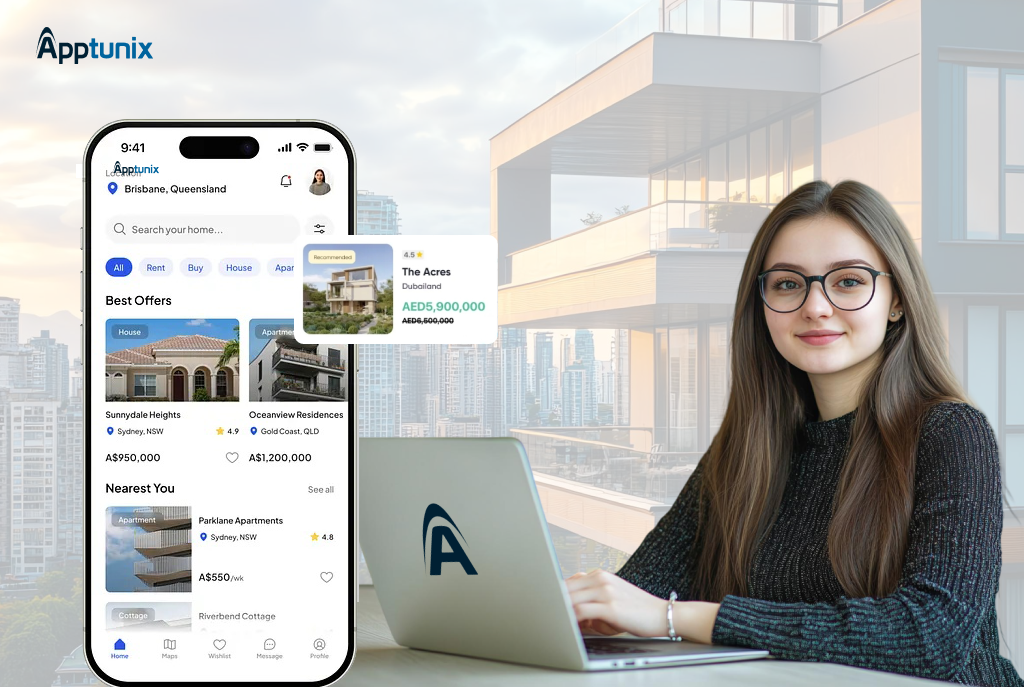
Working with a real estate app development company like Apptunix ensures that your app is not only technically sound but also aligned with business goals. We know what it takes to develop a real estate app like Bayut that drives adoption, retains users, and scales effortlessly.
Many startups hesitate to develop a real estate app like Bayut because they worry about costs. At Apptunix, we focus on maximizing ROI while keeping development budgets manageable.
Here’s how we help startups achieve more for less:
Starting with a Minimum Viable Product allows you to test the market with core features first. We’ve seen clients launch property listing MVPs that include property search, agent messaging, and basic listing management, capturing early users and feedback without overspending.
For example, a UAE-based startup came to us with an idea for a property platform. We built an MVP in just 10 weeks. Within three months, they had over 2,000 active users and enough data to scale the app with advanced features confidently.
Our iterative development approach ensures fast updates and feature releases. By testing frequently and incorporating feedback, we avoid wasted development time and reduce unnecessary costs. Agile also keeps timelines realistic, which is critical when entering a competitive market.
Using Flutter or React Native, we build apps that work on both iOS and Android. This approach significantly reduces the Bayut clone app development cost and ensures a wider reach without maintaining two separate codebases.
We prioritize features based on ROI potential. Core features like search, agent messaging, and listings are built first. Advanced capabilities like AI-based property recommendations, virtual tours, and analytics dashboards are phased in later, ensuring your investment directly impacts growth.
When you hire iOS and Android app developers from Apptunix, you’re working with specialists who understand the intricacies of property app development services. From database management to third-party integrations and cloud infrastructure, our developers know how to create scalable, reliable apps that perform under high traffic and handle thousands of listings.
Our clients consistently see measurable ROI. One Middle East real estate startup reported a 40% increase in lead generation and a significant uptick in agent subscriptions within the first three months post-launch. This demonstrates how smart planning, feature prioritization, and the right development partner can transform ideas into profitable platforms.
The UAE real estate market is growing rapidly. If you want to capture a share of this market, a Bayut clone app is a strategic investment that can yield substantial returns. Start with an MVP to test your idea and reduce real estate app development cost. Use the right technology stack for performance, scalability, and cross-platform reach.
Mobile property apps are reshaping how buyers, sellers, and agents interact. A well-executed platform can capture market share, generate recurring revenue, and position your brand as a leader in the UAE real estate market.
Schedule a 1:1 Consultation with Our Expert Developers to discuss your idea, features, and roadmap. From MVP to full-featured enterprise-level platforms, we help you turn your vision into a digital reality that delivers measurable results. Get a Free Estimate Today to understand your investment and potential ROI.

Q 1.How much does it cost to build an app like Bayut?
The cost to build an app like Bayut depends on factors like platform (iOS, Android, or cross-platform), app complexity, design, backend, and third-party integrations. MVPs start lower, while full-featured apps with AI recommendations, virtual tours, and analytics require a higher budget.
Q 2.What features should a Bayut clone app include?
A Bayut clone app development should include property search, filters, map integration, agent messaging, listings management, reviews, and push notifications. Advanced features like AI-powered recommendations and virtual tours can enhance user engagement and lead conversion.
Q 3.How long does it take to develop a real estate app like Bayut?
The timeline varies by app complexity. An MVP typically takes 8–12 weeks, while a full-featured real estate marketplace app development can take 16–24 weeks from planning to launch, including design, development, and testing.
Q 4.Can startups build a real estate app with limited budget?
Yes. Starting with an MVP allows you to develop a real estate app like Bayut with core features first. This approach reduces initial costs, gathers user feedback, and helps prioritize future enhancements based on market response.
Q 5.What monetization strategies work for a Bayut-like property app?
Popular options include subscription plans for agents, premium/featured listings, advertising partnerships, lead generation, and analytics services. These strategies help maximize ROI and make your property listing app development financially sustainable.
Q 6.How do I hire real estate app developers for my project?
You can hire iOS and Android app developers from a trusted real estate app development company like Apptunix. Experienced developers understand property marketplaces, backend scalability, third-party integrations, and real estate mobile app development services.
Q 7.Why choose Apptunix for Bayut clone app development?
Apptunix is a custom real estate app development company with a proven track record in property app development services. We’ve delivered multiple Bayut clone apps, combining industry insights, technical expertise, and UX design to help startups launch scalable, revenue-ready platforms.
Q 8.How does Apptunix optimize development cost and ROI?
Apptunix helps startups reduce Bayut clone app development cost by using an MVP-first approach, agile development, cross-platform solutions, and strategic feature planning. This ensures faster time-to-market, higher engagement, and measurable ROI.
Q 9.Can Apptunix handle both iOS and Android app development?
Yes. You can hire real estate app developers from Apptunix to build apps on iOS, Android, or cross-platform frameworks. This approach reduces costs, ensures consistent performance, and helps you reach a wider audience with your property marketplace app.
Q 10.What makes a real estate app successful in UAE?
Success comes from combining user-friendly design, advanced search, interactive maps, agent tools, analytics, and monetization options. Partnering with a real estate app development company like Apptunix ensures your app meets market expectations, scales effectively, and generates sustainable revenue.
Get the weekly updates on the newest brand stories, business models and technology right in your inbox.
Book your consultation with us.
Book your consultation with us.


One Central, The offices 3, Level 3, DWTC, Sheikh Zayed Road, Dubai
+971 50 782 1690