How to Build a Multi-Agent AI System for Supply Chain Forecasting and Procurement
17 Views 5 min July 30, 2026

As the Design Lead (UI/UX) at Apptunix, Sandeep Singh brings a decade of experience in crafting human-centric digital experiences. He specializes in intuitive product design, user psychology, and aesthetic storytelling that elevates brand identity. Sandeep is dedicated to building seamless interfaces that balance form and function, ensuring every digital touchpoint is engaging and accessible. By combining design-thinking with data-driven insights, he helps businesses transform complex workflows into delightful user journeys that drive high retention and market success.
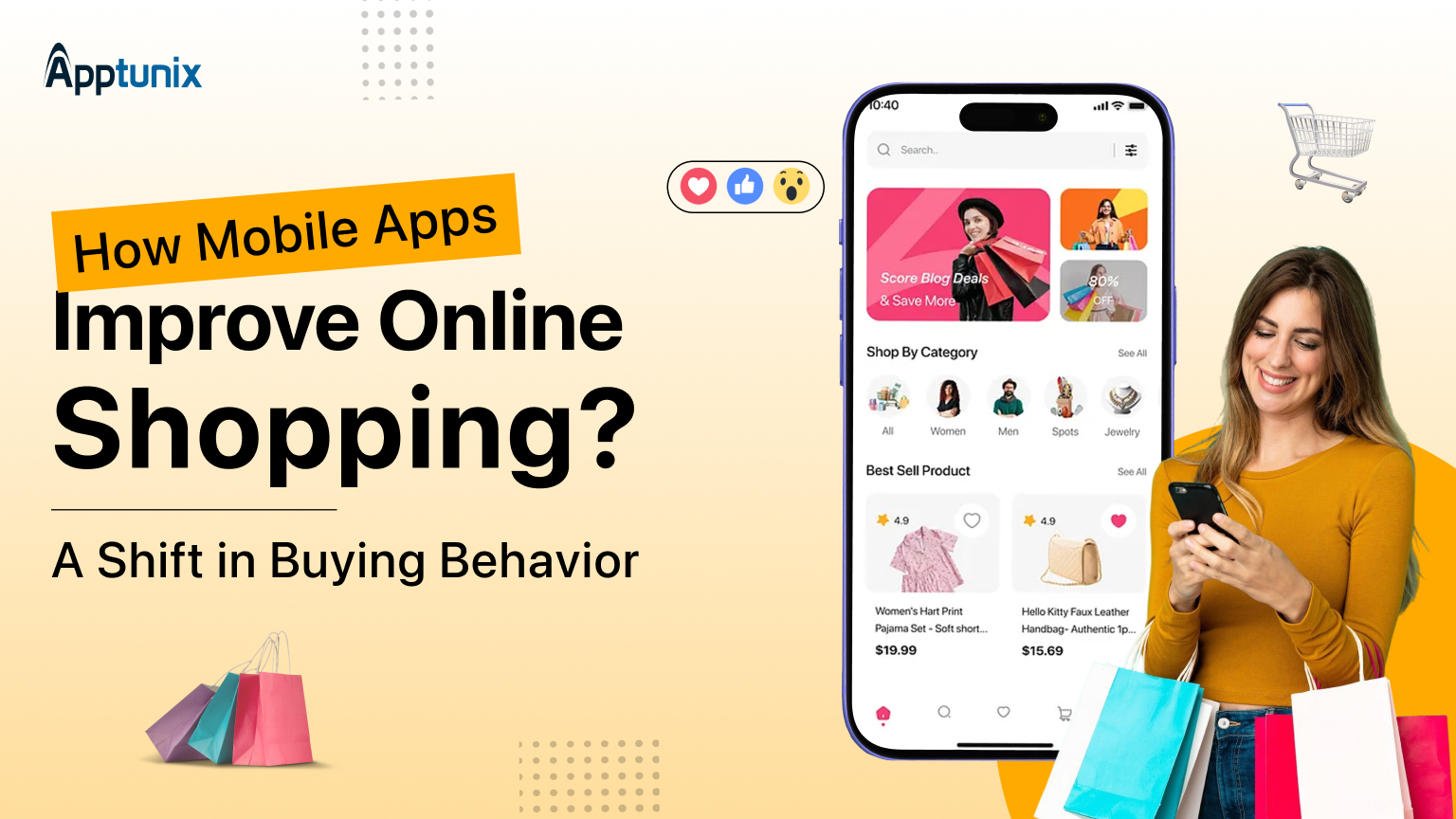
Most businesses still believe having a responsive website is enough. Well, it isn’t. In 2026, simply making your desktop site fit on a smaller screen is no longer a digital flex; it is the bare minimum.
E-commerce businesses today don’t struggle with attracting visitors; they struggle to convert those visitors into customers. This is exactly why businesses need a mobile shopping app to bridge the gap between “just looking” and “checkout complete.”
The opportunity is massive. Recent stats show that revenue from mobile e-commerce sales reached an estimated 1.7 trillion U.S. dollars. This accounts for over half of all retail e-commerce sales. Mobile’s proportion has consistently increased over time, going from 43% previously to a projected 63% by 2028.
And if you want to capture your slice of that $710 billion, you have to think in terms of mobile-first experiences where buying takes seconds. In this blog post, we’ll explore how a dedicated mobile shopping application transforms user experience into a seamless, one-tap conversion engine.
Let’s get started!
Evaluate where your business currently stands before making any decisions. Most businesses that are growing eventually opt for both, but at different times, according to priority. We have listed some of the key differences to help you make the right decision:
Mobile shopping apps are pretty strong at engagement and repeat customers. Websites, on the other hand, provide lower overhead costs. For even more clarity, look at the major reasons you should opt for an e-commerce app over a website:
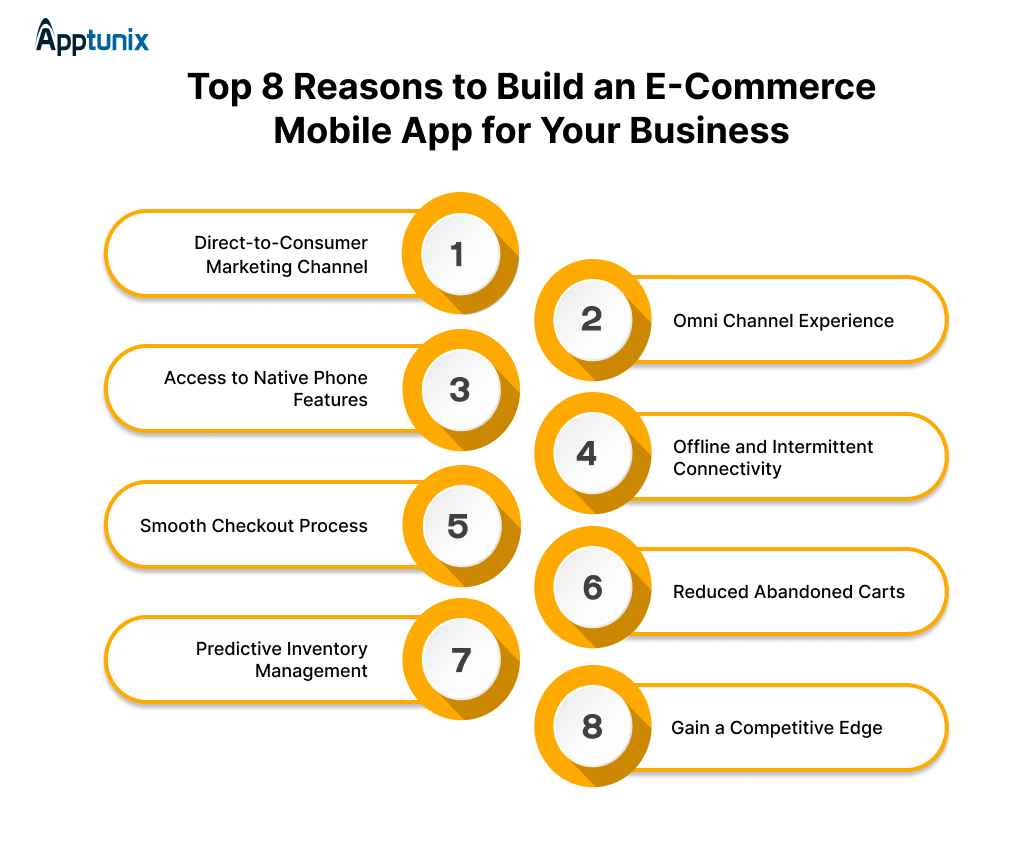
1:Direct-to-Consumer Marketing ChannelIt goes without saying that for a business to be successful, you need to apply a customer-first approach. But how does it enhance the virtual shopping experience? Let’s find out!
Push Notifications: An e-commerce giant like Amazon makes sales worth $16.3 million per second! A huge driver of this is push notifications. While emails and newsletters sit unread, push notifications appear directly on a user’s screen. When used correctly, you can alert the customer to flash sales and restocks, keeping your brand top of mind.
Personalized Content: People now expect brands to remember what they like. A mobile shopping app makes it easier to show relevant products and send small, timely offers. For example, on birthdays or special occasions, every offer feels personal instead of promotional. This level of personalization is difficult to maintain on a generic browser session.
2:Omni-Channel ExperienceA dedicated app ties your entire digital presence together. Instead of a disjointed experience between a desktop site and a mobile browser, an app ensures your brand looks and acts the same everywhere. Whether a customer starts their journey on a tablet and finishes on a smartphone, the transition is effortless – exactly how modern shopping should feel.
3:Access to Native Phone FeaturesMobile apps allow for utilizing the phone’s native capabilities. This includes GPS, Microphone, cameras, visual search, barcode scanners, NFC payments, VR try-ons, and more. This helps in enabling a unique shopping experience for the customer.
4:Offline and Intermittent ConnectivityBy storing product data locally, preserving carts, and syncing in the background, an app lets users keep shopping during weak or lost connections. The platform updates automatically once the connection returns.
5:Smooth Checkout ProcessSmooth checkout refers to a process that streamlines a customer’s purchasing experience so they can finish their transactions quickly. And this is not possible only using a website as a channel to deal with your customers. If you want them to return to your brand again and again, mobile apps can make it easy for you.
6:Reduced Abandoned CartsAccording to Baymard Institute, the average cart abandonment rate is 70.22%. Some reasons that come up again and again are:
Mobile environments amplify these problems because the user is multitasking. A call, notification, or app switch often resets the checkout session, forcing the customer to start all over again.
A mobile shopping application helps in this case:
7:Predictive Inventory ManagementWith advanced AI tools for mobile app development, purchasing patterns on an e-commerce platform become easier to understand. Businesses can then anticipate demand and prepare inventory in advance. This way, making supply chain decisions becomes more predictable than reactive.
8:Gain a Competitive EdgeDeveloping a mobile app can strengthen your position in a crowded market. As mobile shopping keeps expanding, a dedicated app helps your business stand out from competitors who depend only on websites. Companies that adopt app-based commerce earlier often establish stronger customer habits before others make the shift.
According to Forbes, about 64% of internet users prefer to use an app over any type of website. Revenue growth in 2026 doesn’t just come from more traffic; it comes from higher lifetime value (LTV). Here is how to keep your app users hooked:
In the coming years, businesses that grow fastest will be the ones that design around customer convenience. But launching a high-performing shopping experience isn’t just a development task – it requires guidance from a partner who understands how ecommerce behavior actually translates into conversions.
This is where Apptunix stands out. With over 12 years of experience and a portfolio of 2000+ digital products, Apptunix specializes in crafting E-commerce app development solutions that have helped brands achieve a 60% decrease in cart abandonment and a 70% increase in repeat customers.
So, transform your brand with a premium mobile experience today. Get a free expert consultation and let our team of 300+ engineers build the mobile app your business deserves!

Q 1.Is a mobile app better than a responsive website for e-commerce?
For sure. While it’s a fact that a responsive website is necessary for being found on Google, a mobile app is superior for customer retention and conversion. Reports suggest that apps have a 3x higher conversion rate than mobile websites.
Q 2.What is the average cost to build a mobile shopping app in 2026?
The average cost to build a mobile app depends on the complexity. But a professional, AI-integrated e-commerce app typically ranges from $30,000 to $150,000+. Price is influenced by factors such as iOS and Android cross-platform compatibility and other custom features.
Q 3.Do I need a mobile app if my website is already “mobile-friendly”?
Being mobile-friendly means that your website is optimised for mobile. Users spend almost 80% of their time scrolling through apps rather than browsers. So, if you want to build a loyal customer base and increase your average order value, an app is necessary.
Q 4.When should a business consider building an e-commerce app?
A business should move to an e-commerce app when the website alone stops delivering growth and results. One should seriously consider building one:
(1 ratings, average: 5.00 out of 5)
Get the weekly updates on the newest brand stories, business models and technology right in your inbox.
As the Design Lead (UI/UX) at Apptunix, Sandeep Singh brings a decade of experience in crafting human-centric digital experiences. He specializes in intuitive product design, user psychology, and aesthetic storytelling that elevates brand identity. Sandeep is dedicated to building seamless interfaces that balance form and function, ensuring every digital touchpoint is engaging and accessible. By combining design-thinking with data-driven insights, he helps businesses transform complex workflows into delightful user journeys that drive high retention and market success.
Book your consultation with us.
Book your consultation with us.


One Central, The offices 3, Level 3, DWTC, Sheikh Zayed Road, Dubai
+971 50 782 1690


Offer Ends Soon
Get a quick expert response in under 5 minutes.