Cost to Build an App Like Eventbrite: Complete Development & Pricing Guide (2026)
12 Views 13 min September 16, 2026

With over 20+ years of experience in driving global digital initiatives, Nikhil Bansal is the CEO & Director of Apptunix. He specializes in orchestrating large-scale digital transformations, enterprise-grade software solutions, and high-level business strategies that redefine industry standards. Nikhil is known for his ability to bridge the gap between complex business challenges and innovative technology, helping Fortune 500 companies and startups alike achieve sustainable growth. A visionary leader, he empowers enterprises to navigate the digital landscape with agile, ROI-focused models and future-ready business strategies.
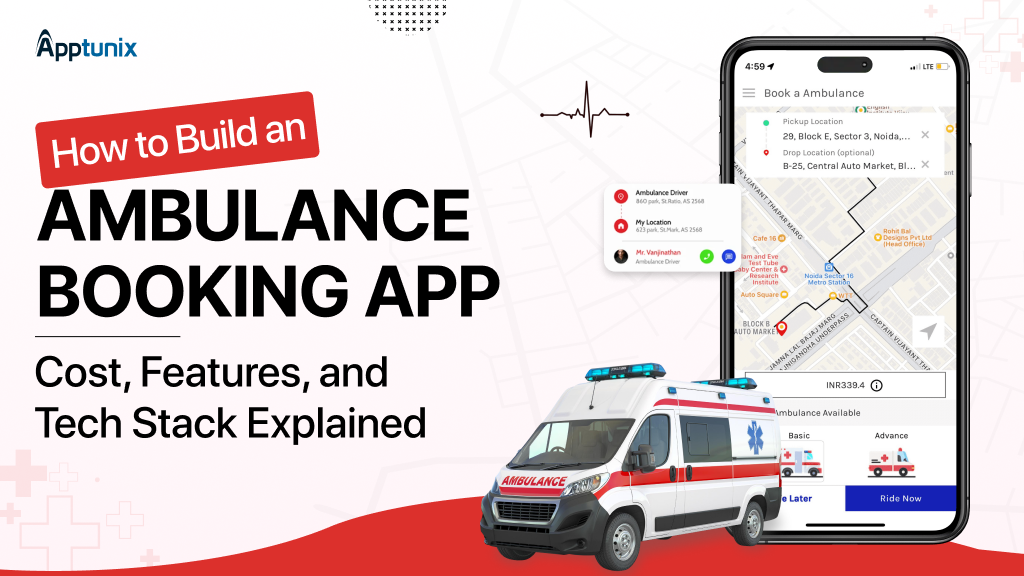
For years, calling an ambulance meant frantically dialing numbers, explaining the same details over and over, and hoping help arrived in time. In emergencies, those few minutes decide everything. Today, people expect faster, smarter ways to get medical help — and that’s where ambulance booking apps are changing the game.
According to WHO, nearly 60% of emergency patients lose crucial time due to delays in ambulance dispatch and coordination. That’s a gap technology can fix. Digital ambulance booking systems now connect patients, drivers, and hospitals in real time, cutting response times and saving more lives.
Hospitals, clinics, and healthcare startups are now racing to build an ambulance booking app that manages the entire process on a single platform. Read the full guide to learn how to develop a custom ambulance booking app for medical services, what features to include, the technology behind it, and how much it costs for healthcare app development that truly makes a difference.
At its core, an on-demand ambulance booking app is more than a way to call a ride. It’s an intelligent system built to handle emergencies where every second matters. The app connects four main groups: patients, drivers, hospitals, and administrators. Each plays a different role, but everything works together in one connected system.
A successful ambulance booking app operates like a command centre, where every user knows their role, every action is tracked in real time, and information flows seamlessly between patients, drivers, hospitals, and administrators. Whether your goal is to build an ambulance booking app like Ola Ambulance or launch an ambulance app like StanPlus, the principle remains the same: make the process simple, reliable, and fast.
Here’s how it usually works:
A well-designed ambulance booking system does much more than assign vehicles. It tracks ambulances in real time, selects the fastest route, and prioritises critical cases. It also keeps hospitals informed at every step. Even a minute saved can make a huge difference in patient outcomes.
Ambulance apps are used in many healthcare situations, such as Emergency pickup for patients in critical condition, scheduled transfers between hospitals or clinics, and Non-emergency transport for regular checkups or post-surgery care.
That’s why mobile app development for hospitals and clinics needs both technical skill and a deep understanding of how healthcare works. When automation, real-time tracking, and simple design come together, patients get faster help and better care even in life-or-death situations.
Healthcare is changing faster than ever. Patients now expect quick, reliable, and transparent access to care. At the same time, hospitals are finding new ways to reach people beyond their walls. One of the most impactful aspects of this shift is the development of the ambulance booking system. What used to be a background service has now become a vital part of modern healthcare, especially in crowded cities where even a few minutes can make a life-or-death difference.
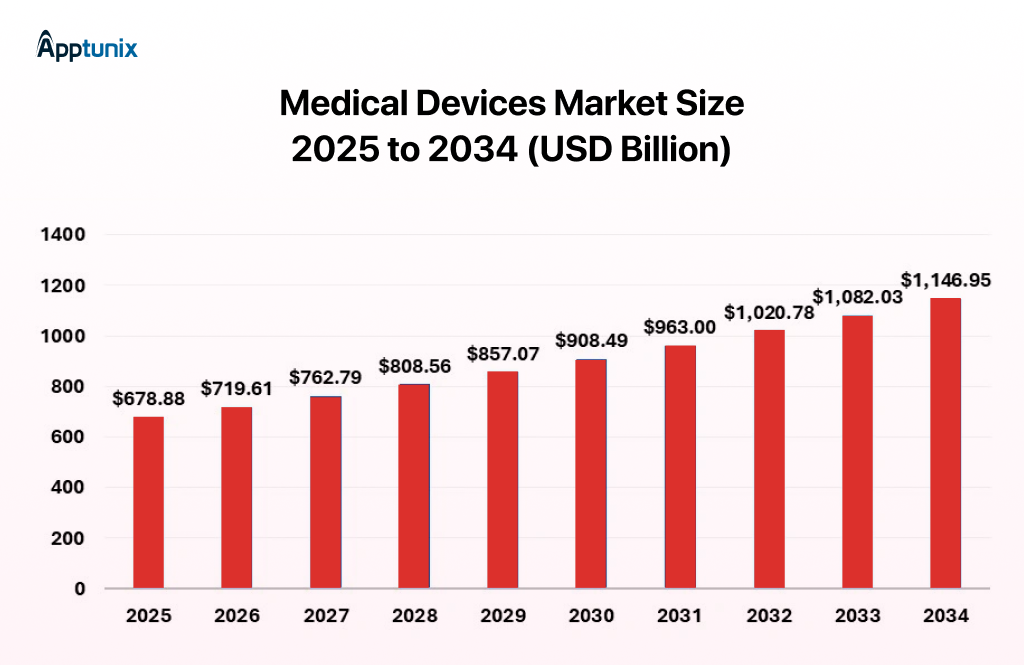
The global emergency medical services (EMS) market is growing steadily, with an expected CAGR of 8.3% and a projected value of over $42 billion by 2030. A major driver of this growth is the shift toward digital ambulance operations and on-demand booking apps. In regions such as Asia, the Middle East, and Africa, this shift is gaining momentum as urban populations grow and governments push for stronger emergency response systems.
Companies such as Ziqitza Healthcare, MUrgency, and StanPlus have already proven how powerful this model can be. Their platforms combine live ambulance tracking, instant booking, and hospital coordination to manage fleets efficiently across multiple cities. They also bring transparency in pricing, improve service quality, and make fleet management easier for operators.
The next big step is now happening with AI-powered telemedicine app development services. Artificial Intelligence is transforming how emergency transport works. It’s not just about getting ambulances to patients faster; it’s about making smarter decisions. AI can predict high-demand areas, assign the nearest available ambulance, and plan the best route based on real-time traffic. With this, response times can drop by 20-30%, thereby directly improving survival rates.
If you’re planning to build an ambulance booking app, this is the right moment to act. With the right mix of medical reliability, smart operations, and advanced technology, your platform can become a leader in healthcare mobility.
When you set out to build an ambulance booking app, every feature has to serve a real purpose. The goal is simple: reduce delays, improve communication, and ensure patients receive timely care. A well-built ambulance booking system connects patients, drivers, hospitals, and administrators, just as a doctor’s appointment portal does. When all of them work together through a single platform, emergencies become coordinated responses rather than chaos.
A. Core Features for PatientsPatients are at the center of the experience. The app has to be fast, clear, and stress-free.When you create an ambulance booking app for medical services, these are the must-have features that make the platform trustworthy and easy to use.
B. Essential Features for DriversDrivers are the first responders, and they need tools that help them act fast and stay organized.
C. Core Admin FeaturesIf you plan to develop a custom ambulance booking app for medical services, these admin features make it scalable and easy to manage, even across multiple cities-
D. Service LevelsA strong ambulance platform should support different service types — not every case is an emergency. These features make your ambulance booking app for hospitals more versatile and valuable to users.
If you want to launch an ambulance app like Ziqitza, or make an ambulance booking app like Ola Ambulance, you’ll need to go beyond the basics. Advanced features make all the difference in emergency healthcare. Building a healthcare app that works under pressure takes more than just coding skills. You need a team that understands how medical systems run. At Apptunix, we specialize in mobile app development for hospitals and clinics, helping clients launch ambulance apps like StanPlus or even build an app like Practo.
Whether you’re starting with MVP mobile app development for medical emergencies or scaling up to a full enterprise platform, our team helps you move fast even if you’re working with mobile app development on a budget. Hare some advanced features to look-
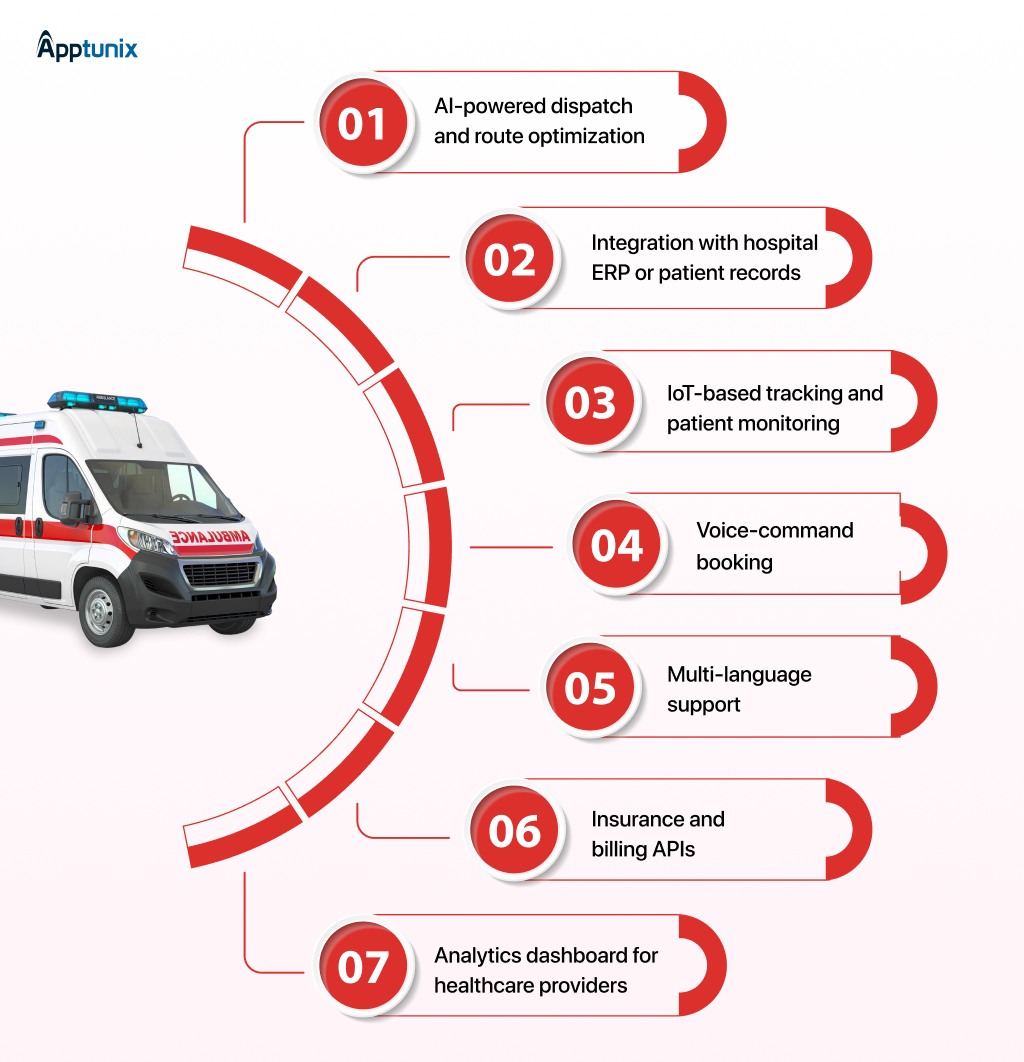
Choosing the right technology stack is critical to developing any ambulance booking system. It affects how quickly your app responds, how securely patient data is protected, and how well your platform scales as your fleet and user base grow.
Here’s a breakdown of the key components and why they matter:
This tech stack provides the foundation for building an ambulance booking app like Ola Ambulance or Ziqitza. Using cross-platform frameworks reduces the development cost of a medical app like Practo without compromising performance. Cloud hosting ensures uptime, and APIs enable seamless communication between patients, drivers, and hospitals. Security measures such as HIPAA compliance and SSL encryption ensure that sensitive healthcare data is always protected.
With the right combination of technologies, your ambulance booking app will be fast, reliable, scalable, and ready to handle real-time emergency operations efficiently.

One of the first questions hospitals, startups, and investors ask is: “How much will it cost to build an ambulance booking app?” The truth is, it depends. Costs vary based on the features you want, the complexity of the system, the platforms you’re targeting, and the degree of integration with hospitals, insurance systems, and IoT devices.
Think of it like this: a basic app that allows patients to request ambulances is very different from a full-scale, AI-powered healthcare platform that predicts demand, tracks patient vitals in real time, and connects seamlessly with multiple hospital ERPs.
Here’s a practical breakdown of estimated costs:
From experience, hospitals often underestimate the backend. A polished front end might look appealing, but without real-time tracking, automated dispatch, and hospital coordination, an ambulance app won’t perform when every second counts. Investing in a strong, reliable backend from the start is critical—it saves money and saves lives in the long run. With careful planning and the right team, mobile app development for hospitals and clinics can be both budget-friendly and high-performing. A well-built app is scalable, reliable, and ready to grow alongside your ambulance network.
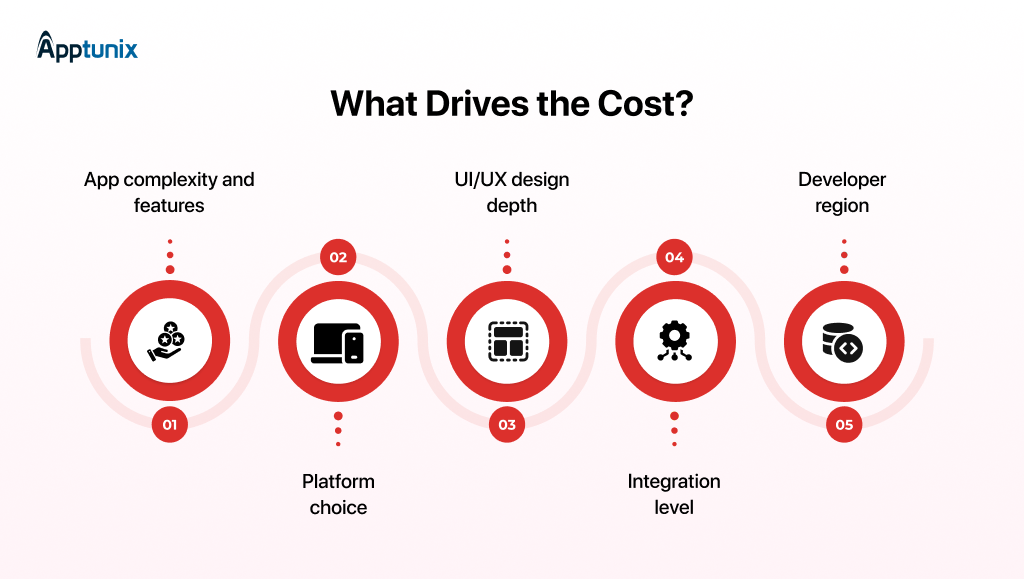
The more advanced features you add real-time GPS tracking, AI-assisted dispatch, multi-language support, or IoT integration, the more time and expertise it takes. This isn’t just coding; it’s about creating workflows, testing under real emergency conditions, and ensuring the system is entirely reliable.
Building for both iOS and Android will naturally cost more than a single platform. Cross-platform frameworks like Flutter and React Native can reduce costs while maintaining a consistent user experience across devices.
In emergencies, every second matters. Designing minimal-tap flows, clear icons, and dashboards for patients, drivers, and hospitals takes skill and careful planning. A well-designed interface can literally save lives.
Connecting your app to hospital ERPs, insurance systems, payment gateways, and fleet management adds complexity. These integrations are essential for smooth operations but increase development effort.
Development costs vary worldwide. Regions like India often offer more budget-friendly development without compromising quality, compared to teams in the UAE or US.
Top 12+ Healthcare App Development Companies to Watch in 2025-26
A mobile ambulance platform can become a sustainable business when monetisation is planned thoughtfully. Hospitals, healthcare startups, and private ambulance operators can develop a custom ambulance booking app for medical services to streamline operations, improve patient care, and generate revenue.
Whether you create an ambulance booking app for medical services or launch an ambulance app like StanPlus, a clear monetisation strategy ensures your app is profitable. With careful planning, mobile app development for hospitals and clinics can be both cost-effective and scalable. Here are the monetisation strategies for an ambulance booking system
1. Commission per bookingCharge a fixed percentage for every ride booked through your ambulance booking app for hospitals or directly by patients. This is one of the easiest ways for an on-demand ambulance booking app company to generate consistent revenue.
2. Subscription plansOffer clinics, hospitals, or ambulance providers access to premium features, analytics, and AI-powered medical software development services for a recurring fee. This provides predictable cash flow while improving service efficiency.
3. Priority service accessProvide patients or insurance-linked services with premium access for faster or specialized ambulance services. Planning to build an ambulance app like Ola Ambulance, StanPlus, or Ambee? Including this feature can give your app the competitive edge it needs in the on-demand healthcare space.
4. B2B partnershipsCollaborate with government health departments, corporate healthcare programs, or hospital chains. Ambulance booking system development at scale can unlock significant revenue streams while improving healthcare delivery across regions.
Tracking ROI Effectively
By combining operational insights with financial data, hospitals and startups can optimize ambulance allocation, scale intelligently, and uncover new revenue opportunities. A robust ambulance booking app development platform comes with analytics dashboards to monitor:
Building an ambulance booking app means creating a system that must work flawlessly when every second counts. A structured approach ensures your app is reliable, fast, and ready for real-world healthcare emergencies. Here’s a clear roadmap to guide the process:
The journey begins with understanding your users, service areas, and competitors. This phase identifies what features matter most, uncovers gaps in existing solutions, and positions your ambulance booking app for maximum impact in hospitals, clinics, and healthcare startups.
Emergencies demand speed and clarity. The app’s interface should be intuitive, with minimal taps, clear icons, and instant access to SOS features. Every interaction is designed so patients or caregivers can request an ambulance quickly, even under stress.
Starting with a lean MVP lets you test core features such as patient booking, real-time tracking, and dispatch management. Early feedback helps refine the app before full-scale development, reducing risk and ensuring the features truly meet user needs.
The backend is the heart of the app. APIs handle real-time location tracking, notifications, alerts, and seamless communication between patients, drivers, and hospitals. Integrations with hospital ERPs, insurance systems, and payment gateways ensure smooth operations and faster response times.
In emergency healthcare, reliability is critical. The app undergoes rigorous testing for performance, security, and regulatory compliance. Load testing, stress testing, and HIPAA verification ensure the system performs flawlessly under pressure.
Launching is just the beginning. Continuous updates, feature enhancements, and operational support keep your ambulance booking app scalable, efficient, and aligned with evolving hospital and patient needs.
When it comes to ambulance booking app development, you need a partner who understands the urgency, the stakes, and the healthcare ecosystem. That’s where Apptunix comes in. We combine deep expertise in healthcare technology, mobile innovation, and emergency services to deliver apps that are not just functional, but life-saving.
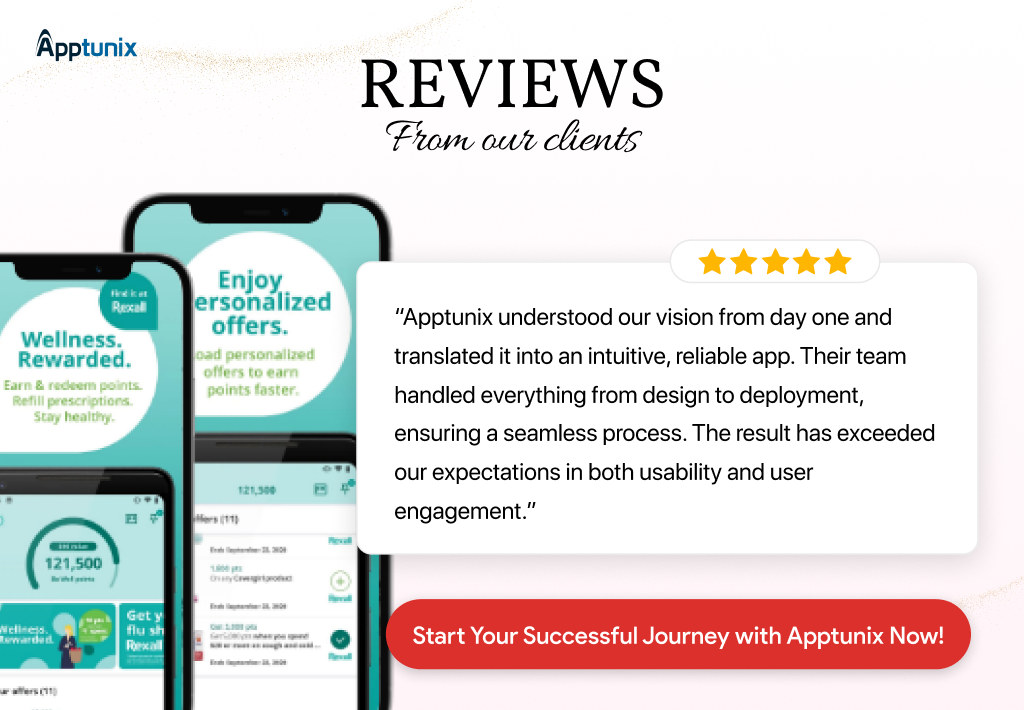
One of our most successful projects, Be Well, is a wellness and healthcare app that has garnered over 500,000 downloads on the Google Play Store. It continues to engage users through features such as prescription management, health tracking, and wellness rewards, while maintaining consistently high ratings.
The client shares:
We bring this same level of dedication and expertise to ambulance booking app development. Whether your goal is to launch an ambulance app like Ziqitza or build an ambulance booking app like Ola Ambulance, we focus on creating solutions that save lives and improve healthcare operations.
Choosing Apptunix means working with a team that builds systems designed to function under pressure, save lives, and deliver measurable operational impact.
Every minute matters in an emergency. Studies show that delayed ambulance response can increase critical patient mortality by up to 25%. Yet, most hospitals and clinics still rely on outdated, manual dispatch systems. The gap between emergency demand and effective response is real—and it’s widening fast.
An ambulance booking app feels like a lifeline in such situations. It can directly save lives, improve hospital efficiency, and create measurable business value. By streamlining ambulance dispatch, real-time tracking, and hospital coordination, these apps cut precious minutes off response times, giving patients a better chance at survival.
The opportunity is here, and it’s urgent. Hospitals, healthcare startups, and emergency service providers who embrace digital ambulance solutions now can leap ahead of competitors, enhance patient trust, and optimize operations in ways traditional systems never could.
Apptunix has a proven track record of turning this opportunity into results. From MVP mobile app development for medical emergencies to fully-featured platforms with AI-powered dispatch and hospital integrations, we build solutions that are fast, reliable, and scalable. Every feature is designed with patients and operators in mind, ensuring your app delivers real-world impact.
Don’t let your organization fall behind while others revolutionize emergency care. Build an ambulance booking app today that saves lives, drives ROI, and sets a new standard in healthcare response. Partner with Apptunix, and transform emergency response into a fast, efficient, and life-saving operation.
Q 1.What is an ambulance booking app and how does it work?
An ambulance booking app lets patients, relatives, or hospitals request emergency or non-emergency medical transport instantly. Users can track ambulances in real time, share their location, select the type of service, and connect directly with hospitals or drivers. Building an ambulance booking app streamlines operations and reduces response time, saving lives.
Q 2.How much does it cost to build an ambulance booking app?
The ambulance booking app development cost depends on features, complexity, platform, and integrations. A basic MVP mobile app for medical emergencies starts around $10,000–$35,000, while a full-featured AI-powered app with hospital integrations and IoT tracking can cost $85,000–$120,000+.
Q 3.Can I build an ambulance booking app like Ola Ambulance or StanPlus?
Yes. Hospitals, startups, and private operators can build an ambulance booking app like Ola Ambulance or launch an ambulance app like StanPlus using cross-platform frameworks, AI-powered dispatch, and hospital integration for real-time patient and vehicle management.
Q 4.What features are essential when building an ambulance booking app?
When you create an ambulance booking app for medical services, include one-tap emergency booking, GPS tracking, AI route optimization, patient-driver communication, digital payments, insurance integration, and multi-service tiers for emergency, non-emergency, and ICU-equipped ambulances.
Q 5.Which tech stack is best for ambulance booking system development?
For mobile app development for clinics and hospitals, use Flutter or React Native for cross-platform frontend, Node.js, Laravel, or Django for backend, MongoDB/Firebase/PostgreSQL for database, and integrate APIs like Google Maps, Twilio, and Stripe for real-time tracking, messaging, and payments.
Q 6.How can AI-powered mobile app development services improve ambulance response?
AI predicts high-demand zones, assigns the nearest ambulance, and calculates the fastest routes, reducing delays and improving patient outcomes. AI-powered mobile app development ensures smarter, data-driven decisions for hospital networks and emergency operators.
Q 7.Is hospital integration possible with ambulance booking apps?
Absolutely. Modern ambulance booking system development includes integration with hospital ERPs and patient record systems, allowing staff to prepare emergency care ahead of patient arrival.
Q 8.How can hospitals monetize an ambulance booking app?
Revenue models include commission per booking, subscription plans, priority service fees, and B2B partnerships. A well-structured ambulance booking app generates ROI while enhancing patient care.
Q 9.Why choose Apptunix to build an ambulance booking app?
At Apptunix, we have deep expertise in custom healthcare app development services. We combine AI-powered features, hospital integration, and patient-first design to deliver apps that are scalable, secure, and reliable.
Q 10.Can Apptunix develop an MVP ambulance app for medical emergencies?
Yes. Our team specializes in MVP mobile app development for medical emergencies, helping startups test core features like booking, tracking, and dispatch quickly and cost-effectively.
Q 11.Can Apptunix help launch an ambulance app like Ziqitza?
Absolutely. We provide end-to-end solutions to launch an ambulance app like Ziqitza, including real-time tracking, hospital integrations, AI-powered dispatch, and analytics dashboards.
Q 12.How quickly can Apptunix develop a custom ambulance app?
Development timelines depend on complexity, but with MVP mobile app development for medical emergencies, we help clients launch in weeks rather than months, ensuring fast market entry and early feedback.
Q 13.Can Apptunix optimize development cost for startups?
Yes. We are known for cost-effective app development solutions for medical emergencies, balancing performance, scalability, and budget for startups and hospitals alike.
Q 14.How does Apptunix support apps after launch?
We offer end-to-end support, from MVP to full-featured ambulance apps, including updates, performance monitoring, feature expansion, and operational troubleshooting, ensuring your app continues to deliver ROI.
Get the weekly updates on the newest brand stories, business models and technology right in your inbox.
With over 20+ years of experience in driving global digital initiatives, Nikhil Bansal is the CEO & Director of Apptunix. He specializes in orchestrating large-scale digital transformations, enterprise-grade software solutions, and high-level business strategies that redefine industry standards. Nikhil is known for his ability to bridge the gap between complex business challenges and innovative technology, helping Fortune 500 companies and startups alike achieve sustainable growth. A visionary leader, he empowers enterprises to navigate the digital landscape with agile, ROI-focused models and future-ready business strategies.
12 Views 13 min September 16, 2026

5 Views 13 min September 14, 2026

15 Views 13 min September 8, 2026
Book your consultation with us.
Book your consultation with us.


One Central, The offices 3, Level 3, DWTC, Sheikh Zayed Road, Dubai
+971 50 782 1690